-

What ChatGPT thinks of my reading

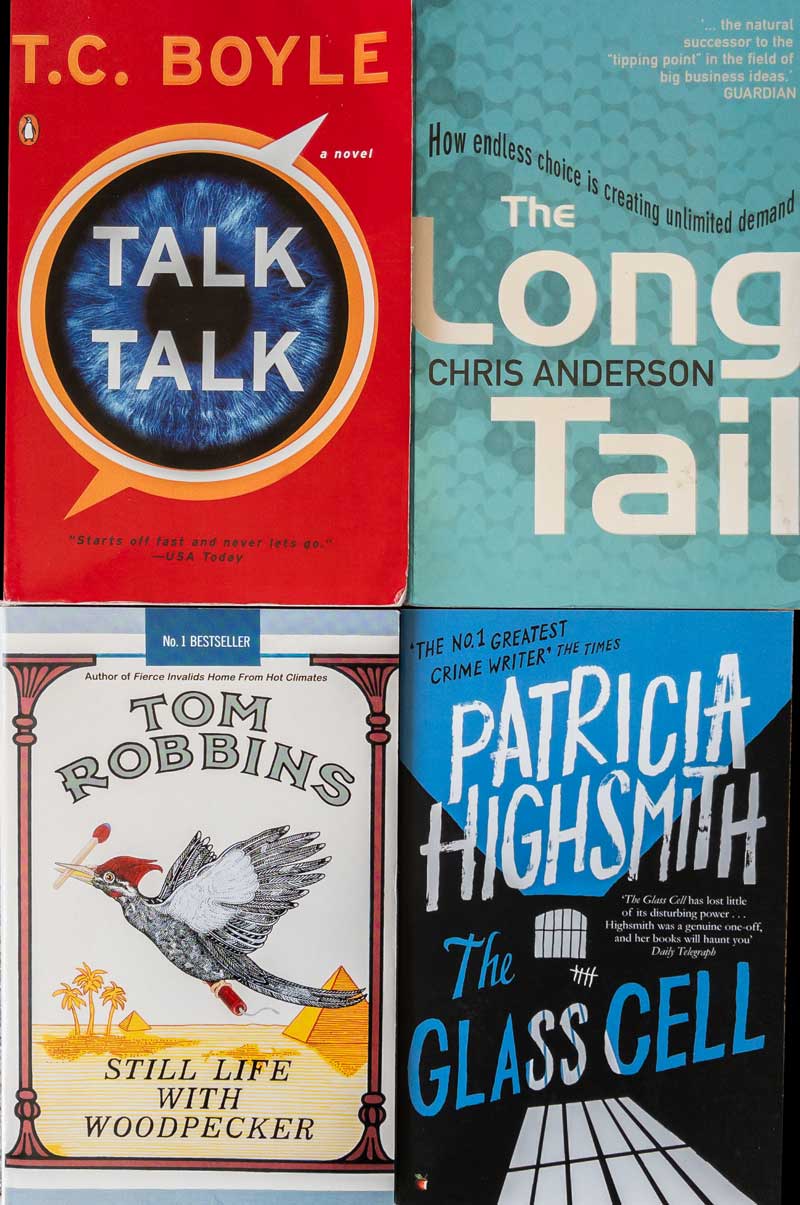
My son astonished me when he submitted to ChatGPT images of lists of books his nieces have read and was given recommendations for Christmas presents (books) appropriate to their ages and likes. This was particularly impressive as the images were handwritten lists of books.
So I thought I would check out ChatGPT and see what it would make of my reading list. This is what it came up with. I’m impressed! I was amused by this summary of the books I like – “Often about ageing, grief, marriage, regret, or social constraint”!
I’ll do another analysis and ask ChatGPT to come up with some book recommendations!
📚 What your bookshelf says about you
1. You read to understand the world, not to escape it
You’re repeatedly drawn to: politics, justice, power, corruption, journalism, memoir, social critique, crime not as puzzle, but as system (courts, police, institutions)This is the reading of someone who wants to make sense of how things really work, even when it’s uncomfortable.
2. You value intelligence over comfort — but not pretension
You’re happy to abandon books that feel padded, dull, or self-indulgent, mistake cleverness for insightAt the same time, you consistently praise books that are well-written, sharply observed, emotionally honest
You don’t finish books out of duty. Your bookshelf says: life’s too short.
3. You have a deep loyalty to literary fiction — especially the humane kind
Certain patterns recur: marriages under strain, grief, ageing, regret, moral compromise, quiet lives examined closelyYou gravitate toward writers who are: subtle rather than showy, interested in character over plot, compassionate without being sentimental
This suggests emotional attentiveness, not cynicism — even when the subject matter is bleak.
4. Crime fiction is a serious interest, not a guilty pleasure
Your crime reading skews toward psychological depth, social context, European / literary crime rather than formulaic thrillersYou like crime when it asks why, not just whodunnit.
5. You’re curious, sceptical, and politically alert
Your nonfiction choices show concern about democracy, media, technology, and truth, interest in how narratives are shaped and distorted, low tolerance for bullshitYou read to sharpen your thinking — and you’re willing to work at harder books, even if you sometimes decide they’re not worth it.
🧠 Overall portrait
If I had to sum it up:
You read like someone who is curious, humane, impatient with nonsense, politically awake, and deeply interested in how private lives collide with public systems.
Your bookshelf belongs to someone who thinks a lot, feels deeply, distrusts hype, and believes books should earn their place
📚 Authors & number of books read (top repeat authors)
11 books: Lee Child
9 books: Celia Fremlin
7 books: Patricia Highsmith, Anne Tyler, Laura Lippman
6 books: Frédéric Dard, Kent Haruf
5 books: Jo Nesbø, Michael Lewis, Steve Cavanagh, Ian McEwan
4 books: Michael Frayn, Sue Miller, Bernice Rubens, Denise Mina, Clare Morrall, Philip Roth, Tim Parks, John Lanchester, Margaret Millar
👍 Books you liked (strongly or clearly)
Roughly: 60–65% of your reading
What tends to work for you
You consistently like books that are:
1. Well-written literary fiction
Quiet, controlled prose; Moral or emotional seriousness; Often about ageing, grief, marriage, regret, or social constraint
You frequently use phrases like: “fabulous”, “terrific”, “wonderful”, “highly recommended”
2. Crime fiction with depth
You like crime when it is:Psychological rather than procedural, socially grounded, not bloated or gimmicky
Regularly liked: Patricia Highsmith–adjacent psychological crime, older British / European crime, shorter, tightly plotted thrillers
3. Serious, explanatory nonfiction
You clearly like nonfiction that: Explains systems (politics, justice, tech, media), is journalistic rather than preachy, is rigorous but readableFrequent praise for: Political analysis, investigative journalism, memoir with insight, not self-pity
😐 Books you didn’t like (or only tolerated)
Roughly: 35–40% of your reading
(This is not high — it reflects healthy selectiveness.)What tends not to work
1. Overlong or indulgent novels
You lose patience when books that overstay their welcome, feel padded or repetitive, rely on atmosphere without substance
2. High-concept or gimmicky fiction
You often reject books that are: weird for the sake of it, formally clever but emotionally empty, “Bonkers” without payoffYou’ll try them — but you won’t force yourself to finish.
3. Spy novels (notably!)
A very clear pattern: You keep trying spy fiction, you keep reminding yourself you don’t really like it, you often say some version of “I must stop reading spy novels!”That’s an unusually consistent signal.
4. Memoirs without insight
You dislike memoirs that feel: Self-indulgent, poorly edited, more anecdotal than reflectiveYou’re not anti-memoir — just intolerant of thin ones.
📊 Big-picture balance
- You like far more books than you dislike
- You abandon books without guilt (a sign of reader maturity)
- Your “DNFs” cluster around types, not random failures
- Your taste is stable and well-defined
📚 How your reading has changed over time
1. Early years: exploration and tolerance
In the earlier part of your record, you: Finished more books out of obligation, put up with novels you describe as “OKish”, “so-so”, “not really my cup of tea”, sampled widely, even when the fit wasn’t right, you were still testing boundaries — genres, styles, reputations — and giving books the benefit of the doubt.
This is the reading of someone building taste.
2. Middle years: confidence and selectiveness
As time goes on, two shifts appear: You quit more books — calmly, without apology, your reviews become sharper and more decisive
You start to recognise patterns:
- Overlong literary novels → abandoned
- spy fiction → repeatedly regretted
- gimmicky or “clever” books → quickly rejected
At the same time, you return to trusted authors and styles that reliably work for you. This is where taste turns into judgment.
3. Recent years: precision and self-knowledge
Your most recent reading shows the biggest change: You know very quickly whether a book is for you, you read more short, concentrated novels, you favour clarity, moral seriousness, and restraint, you value insight over novelty
You now read fewer books “just because they’re talked about”, have little patience for padding or hype, choose books that align with your emotional and intellectual interests
This isn’t narrowing — it’s refinement.
🧠 The biggest change of all: why you read
Earlier on, reading seems partly about keeping up, curiosity, range
Now it’s much more about understanding people, understanding systems, recognising truth from noise
Your nonfiction becomes more political, explanatory, and urgent.
Your fiction becomes quieter, more humane, more inward-looking.📈 In two sentences
You’ve moved from an exploratory reader to a precise one — from sampling widely to choosing deliberately, and from finishing books out of duty to reading only what earns your attention.
You’re an engaged, demanding reader who rewards intelligence, clarity, and emotional honesty — and who has no patience left for padding, gimmicks, or wasted time.
No comments on What ChatGPT thinks of my reading -

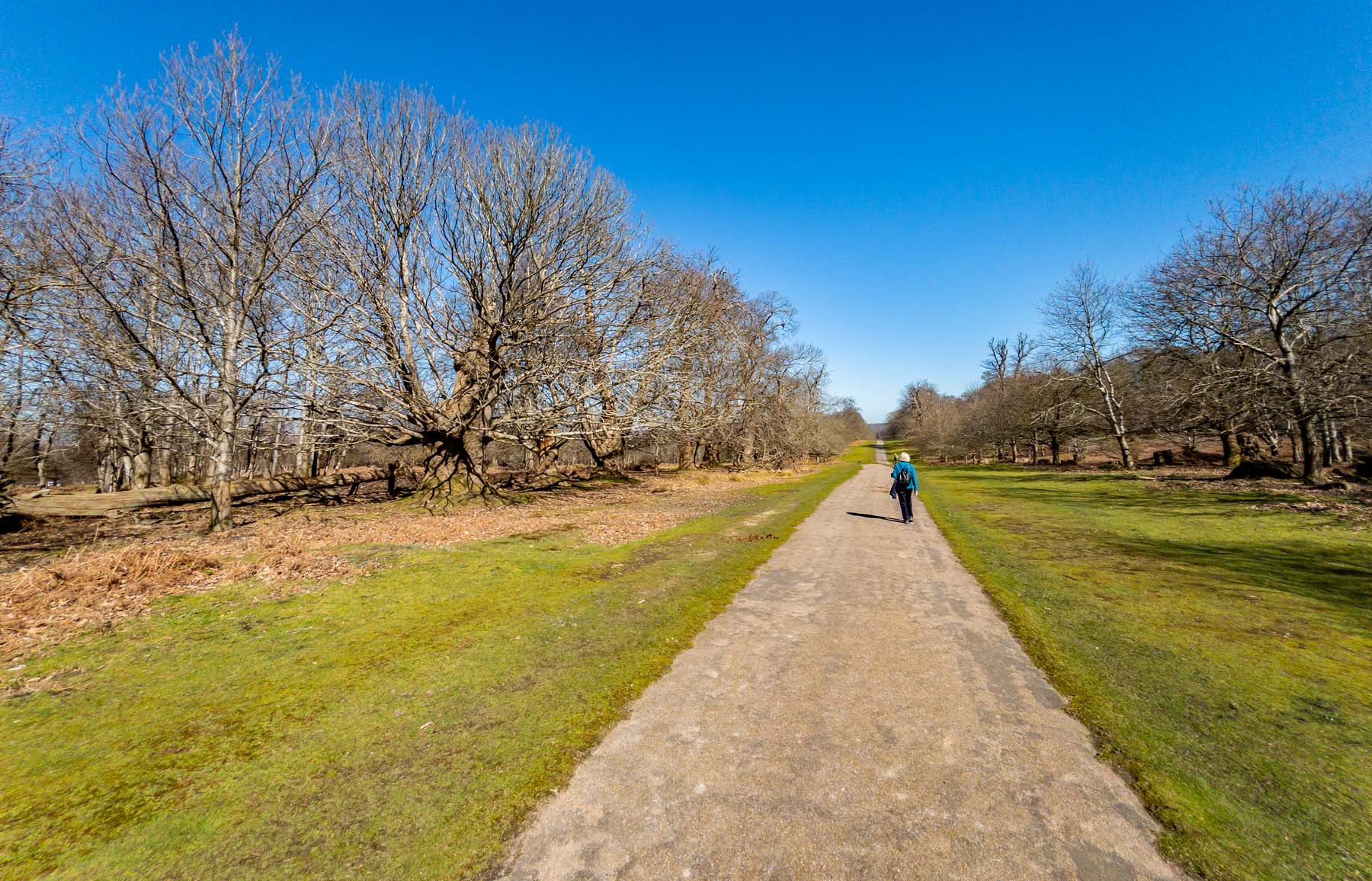
Walk to Banstead

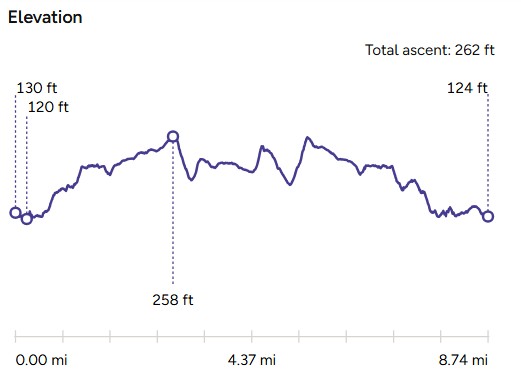
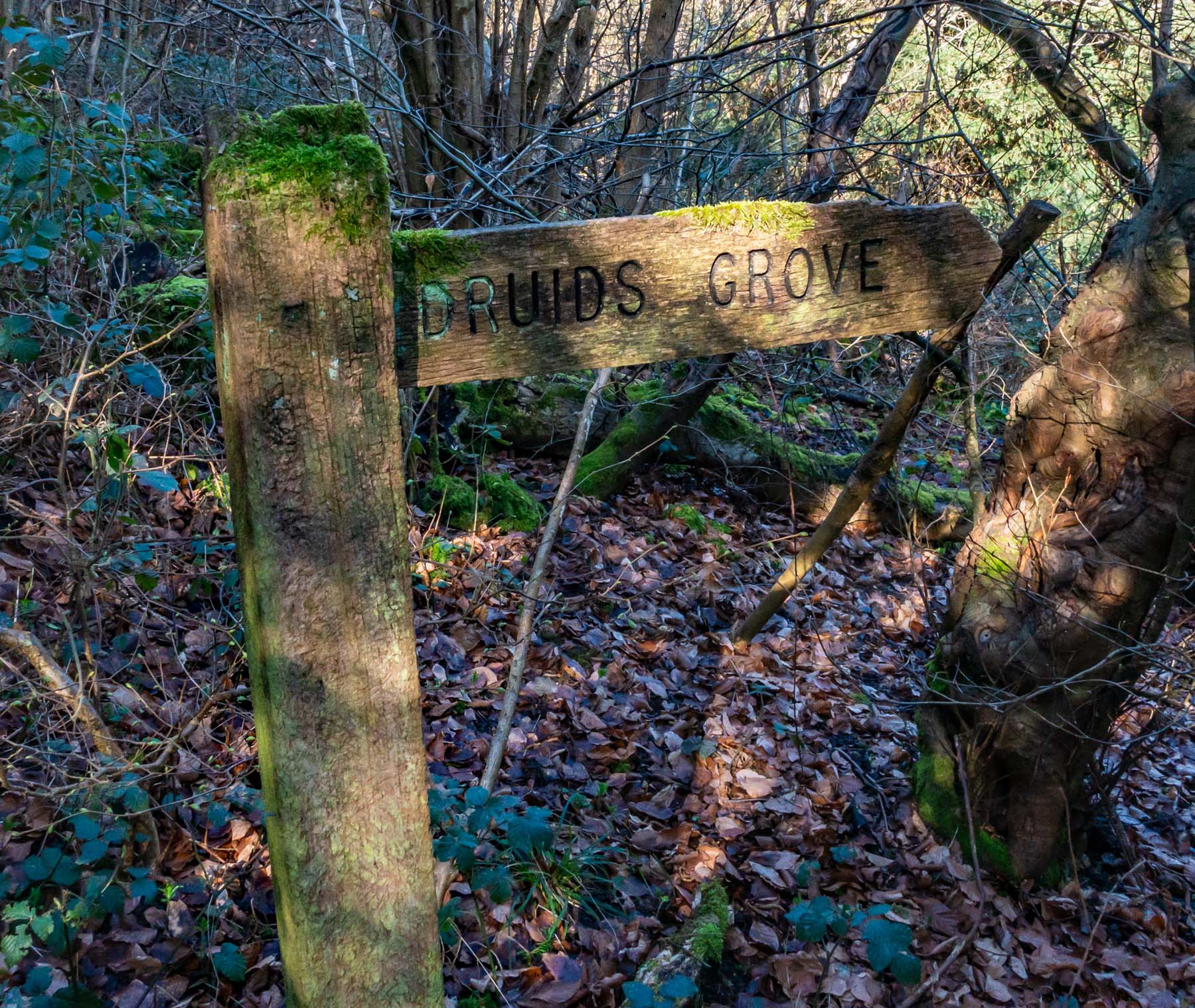
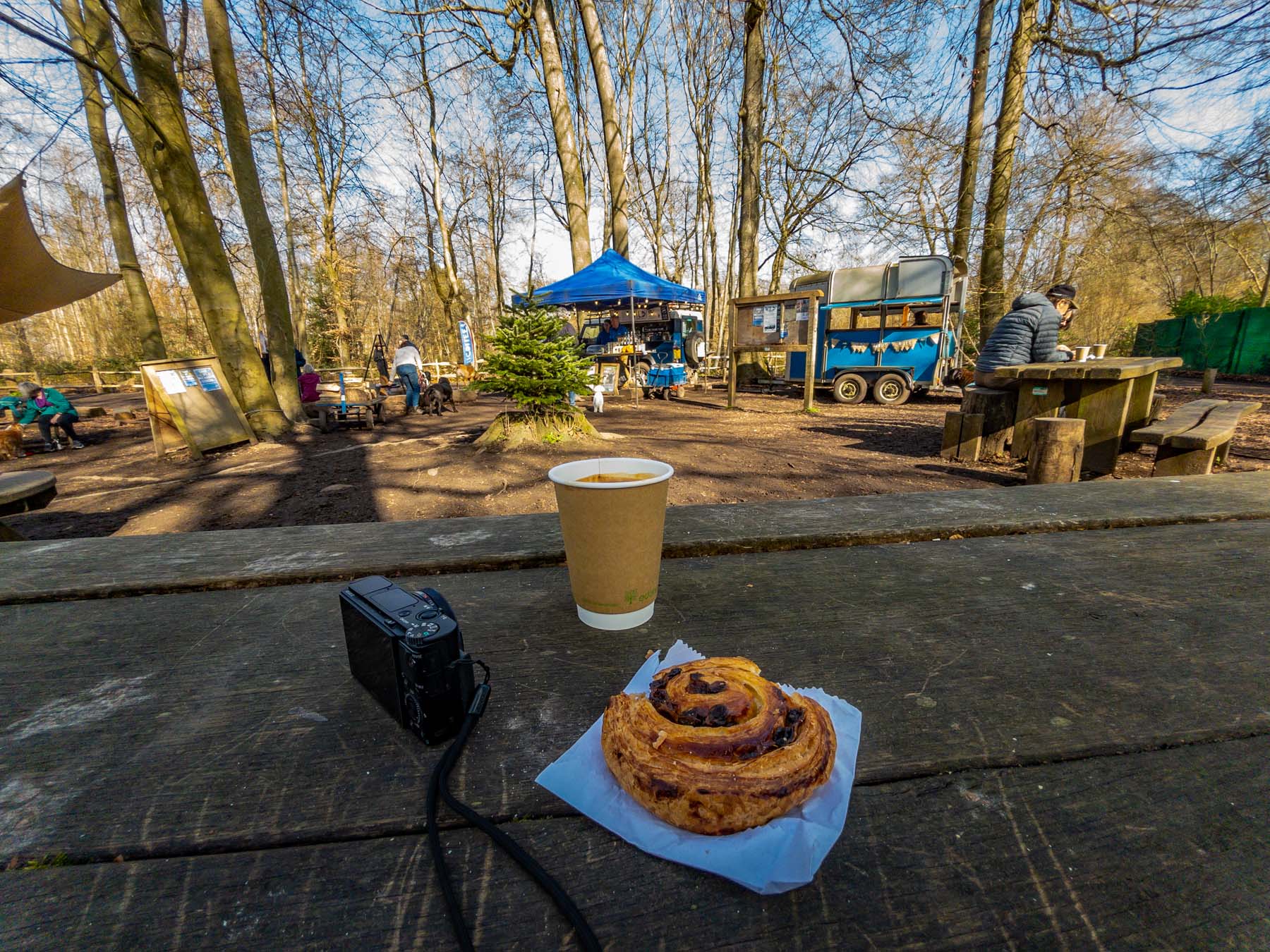
A walk through the woods to my favourite coffeehouse in Banstead, Café Chai.


-

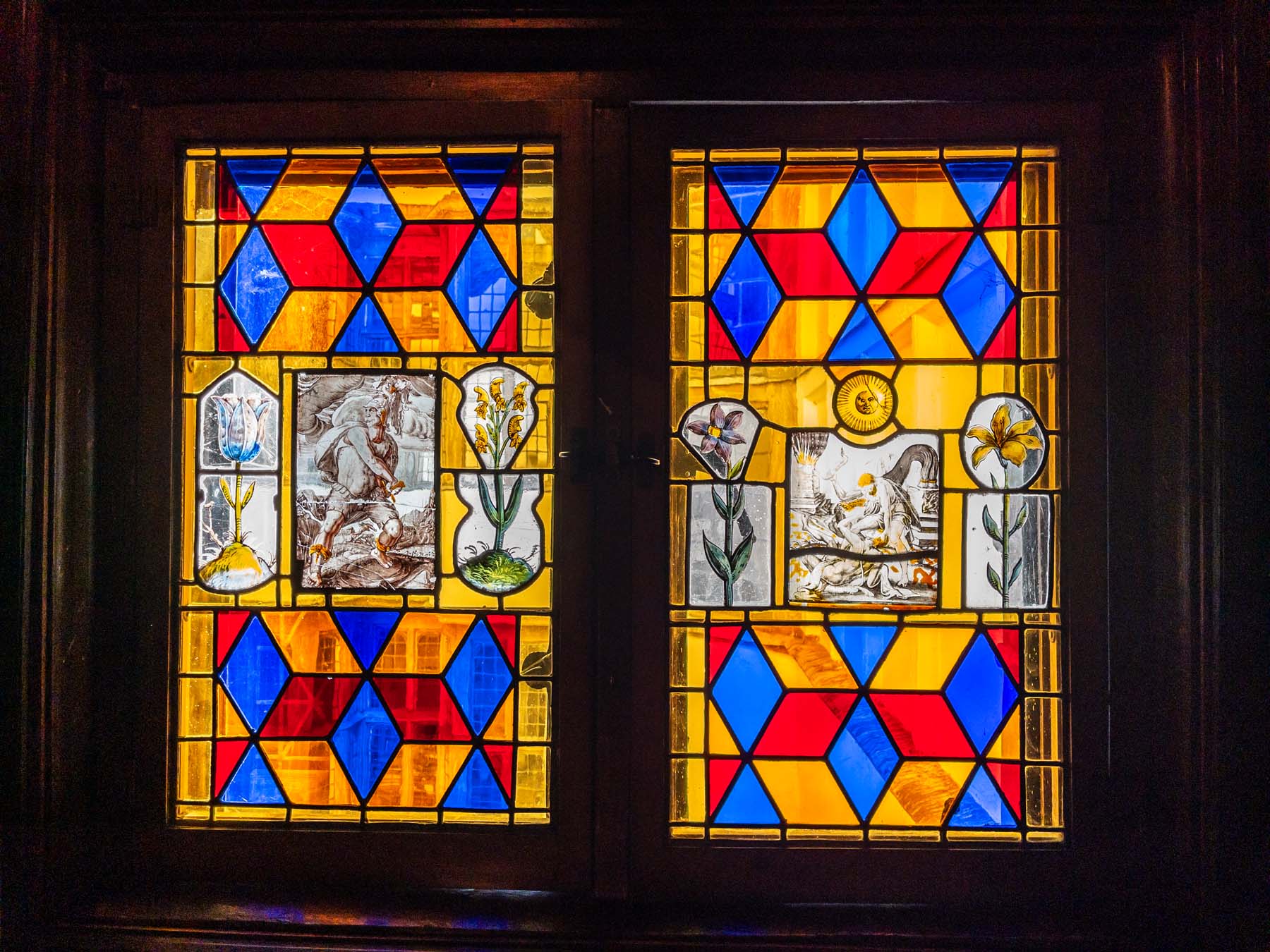
Hampton Court

Hampton Court Palace is having work done to its exterior. Look how they’ve covered it up!


Generating electricity? -

It Was Just an Accident


A car mechanic unexpectedly encounters a man with an artificial leg who may have been his torturer in prison. Kidnapping him with the intention of exacting revenge he meets up with fellow victims in order to confirm his suspicions.
This Iranian film won the Palme d’Or at the 2025 Cannes Film Festival and has received rave reviews, but I found it slow and laboured, though not without a little humour. A ‘tense thriller’ it is not.
I watched this in the revamped Curzon Cinema in Wimbledon. The plushness of the seats, the re-designed foyer (not keen) and the ‘gold-plated’ taps in the cloakroom are perhaps why ticket prices have jumped since I was last there, six months or more ago.


-

I was there


“
What a nightmare despite the team playing so well. But 4 yellows and 2 reds is totally unacceptable and yet again there's an omnishambles in the defence leading to a goal. This playing out from the back is so prone to error and can be so predictable such that opponents quickly catch on to pressurise defenders. An exciting game but a disappointing result. The crowd were terrific.“Posted by me on the fans’ forum soon after returning from the match.
-

27th January 2005

I decided to destroy all my diaries dating back to 2004. Before doing so I thought there might be some notable dates / events that I should make a note of. There was nothing worth recording though it was interesting to recall things that happened long ago. I had a busier life back then!
However I did come across a rather puzzling entry for Thursday 27th January 2005.
9 – 12 Mlbrough (Marlborough? Middlesbrough?) Chimney Sweep £34
I have absolutely no idea what this was about. I’ve googled it but found nothing. I’m still racking my brain trying to remember what it could have been. It’s an event (9-12) with a price (£34), but what was it?!
As an aside, the previous day’s entry (“QEF IT User Group”) I well remember. Interestingly I have only just found out that the Queen Elizabeth Foundation (QEF), a disability charity I worked for at the time, has gone bust, which is very, very sad.

-

Bugonia


A conspiracy theorist abducts a pharmaceutical executive convinced she is an alien. Terrific acting from the small cast and a suitably dramatic soundtrack, I enjoyed the adventure a lot.
A very bizarre film which I’d highly recommend (for some).

David Lean Cinema, Croydon -

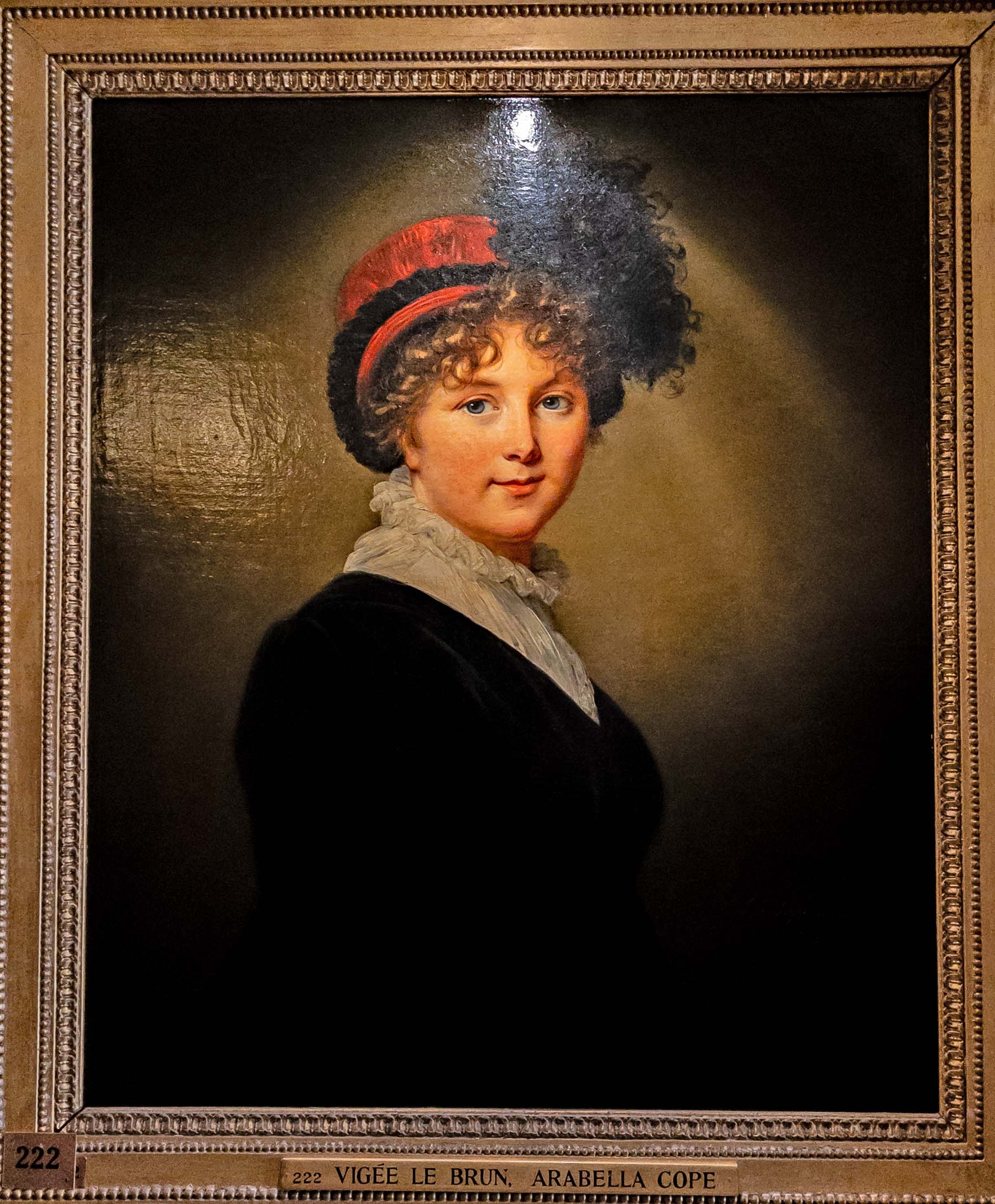
Hatchlands Park

There’s a lovely, 2-mile walk around the edge of the grounds. A decent size bookshop and a stunning house with lots of musical instruments and paintings make this National Trust property well worth visiting. Taking photos inside the house is not permitted but that’s understandable.


-

A short story

I’m in my local library browsing the new-books section. To my left a woman is sat at a computer terminal and asks me if I have a phone in my pocket.
“I do”, I respond, wondering where this is leading.
“I can’t have a phone behind me, can you move it to the other side”, she says.
I pat my pockets and realise it’s already on my other side (my right side).
“It’s already on the other side”, I say.
She seems satisfied with this and turns round to continue using the computer.
The end.
-

A very pleasant gentleman

I was described as “a very pleasant gentleman” in a report to my dentist by another dentist.
Initially amused / flattered, I looked further into this and it appears to be rather common!