-

Epsom High Street
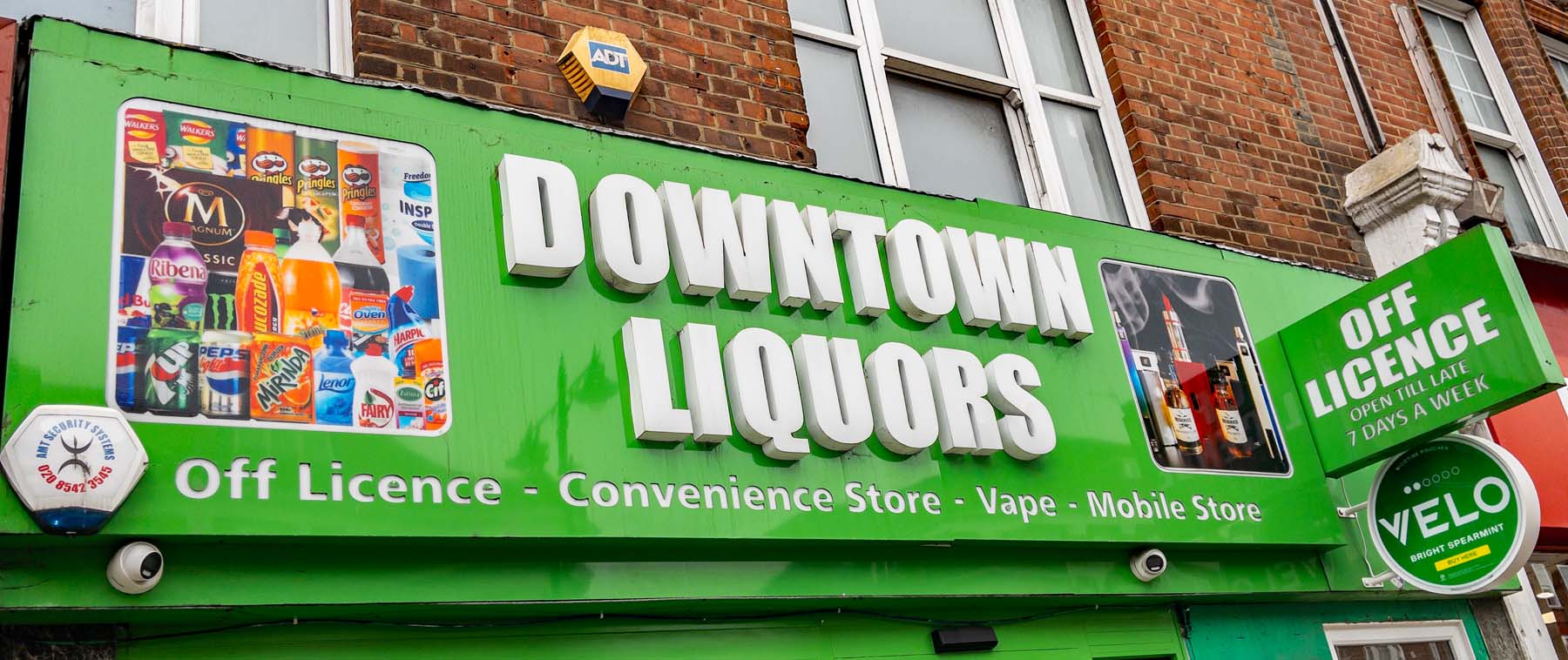
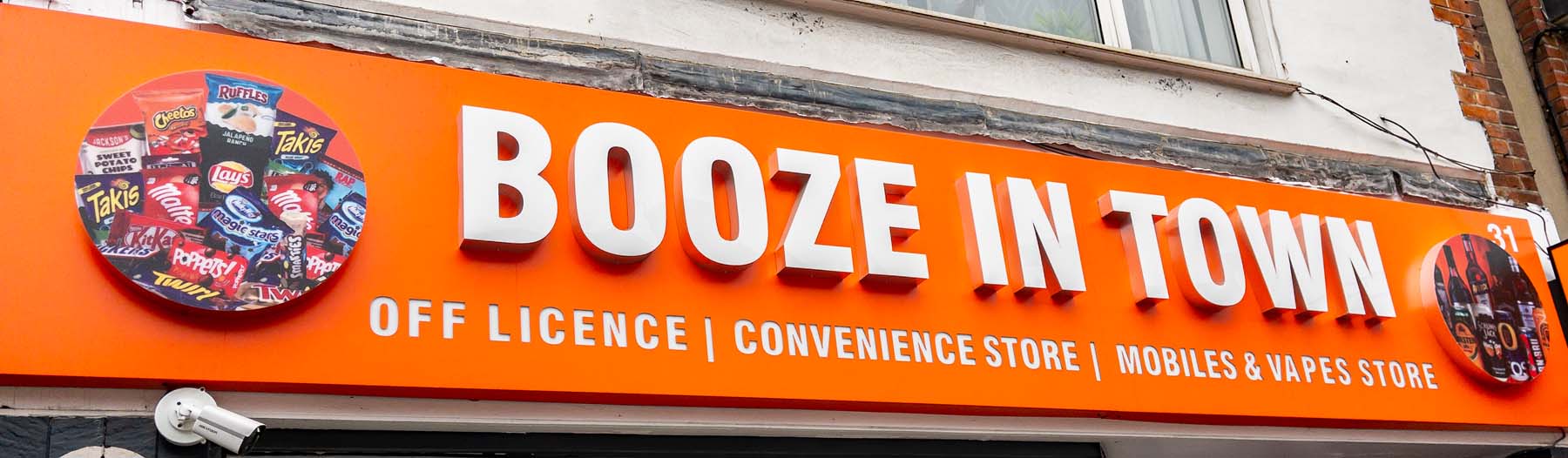
Epsom is beginning to look a bit like Sutton….
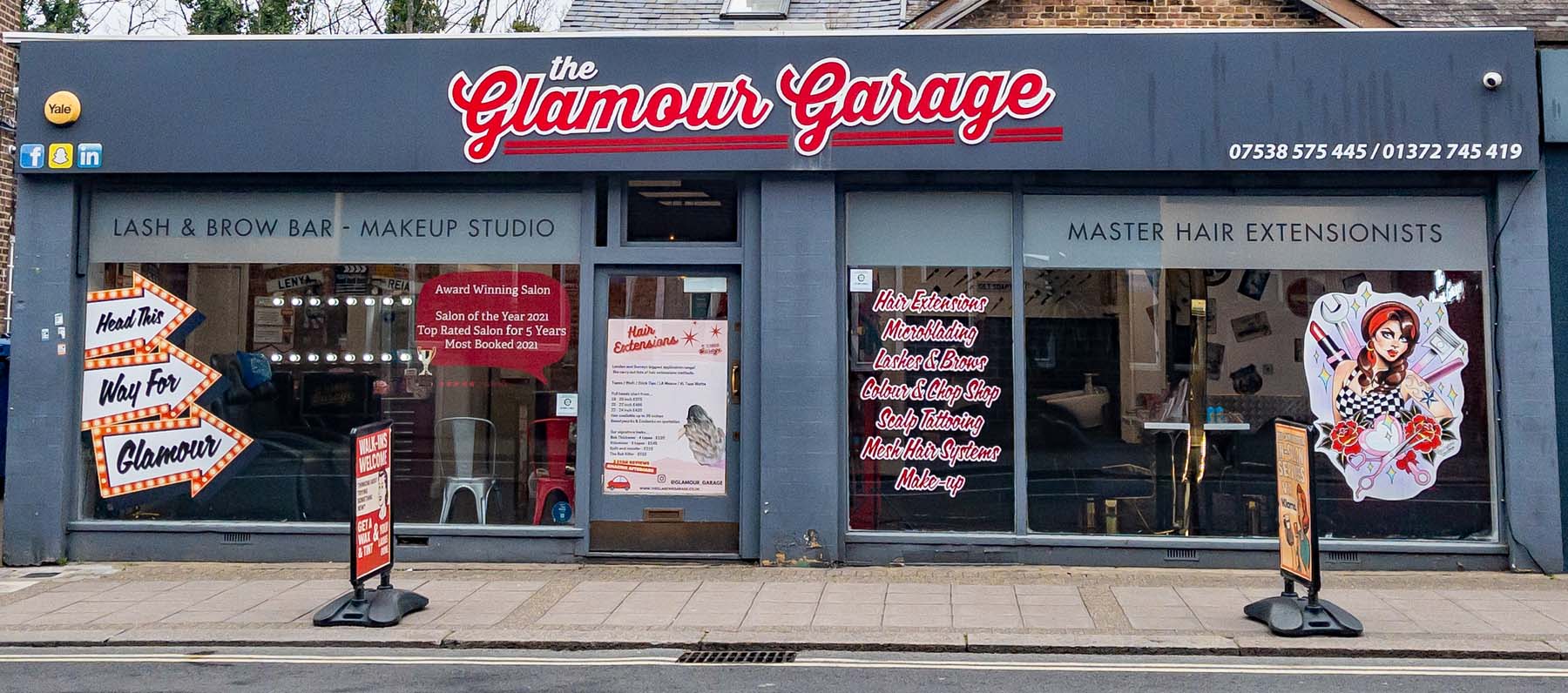
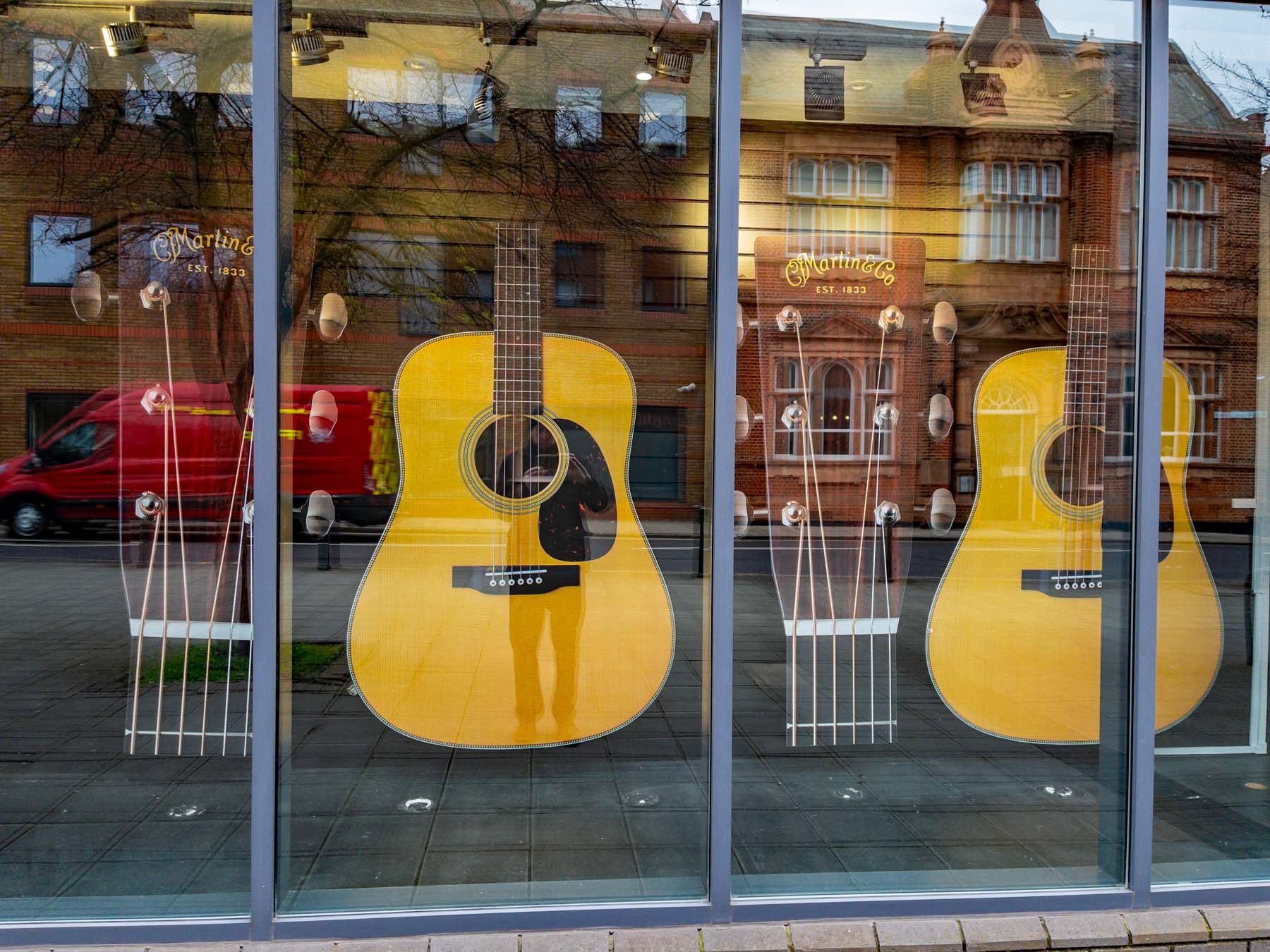
But there is this gem of a store…

and there is this rather impressive ceiling in the shopping precinct.
 No comments on Epsom High Street
 -
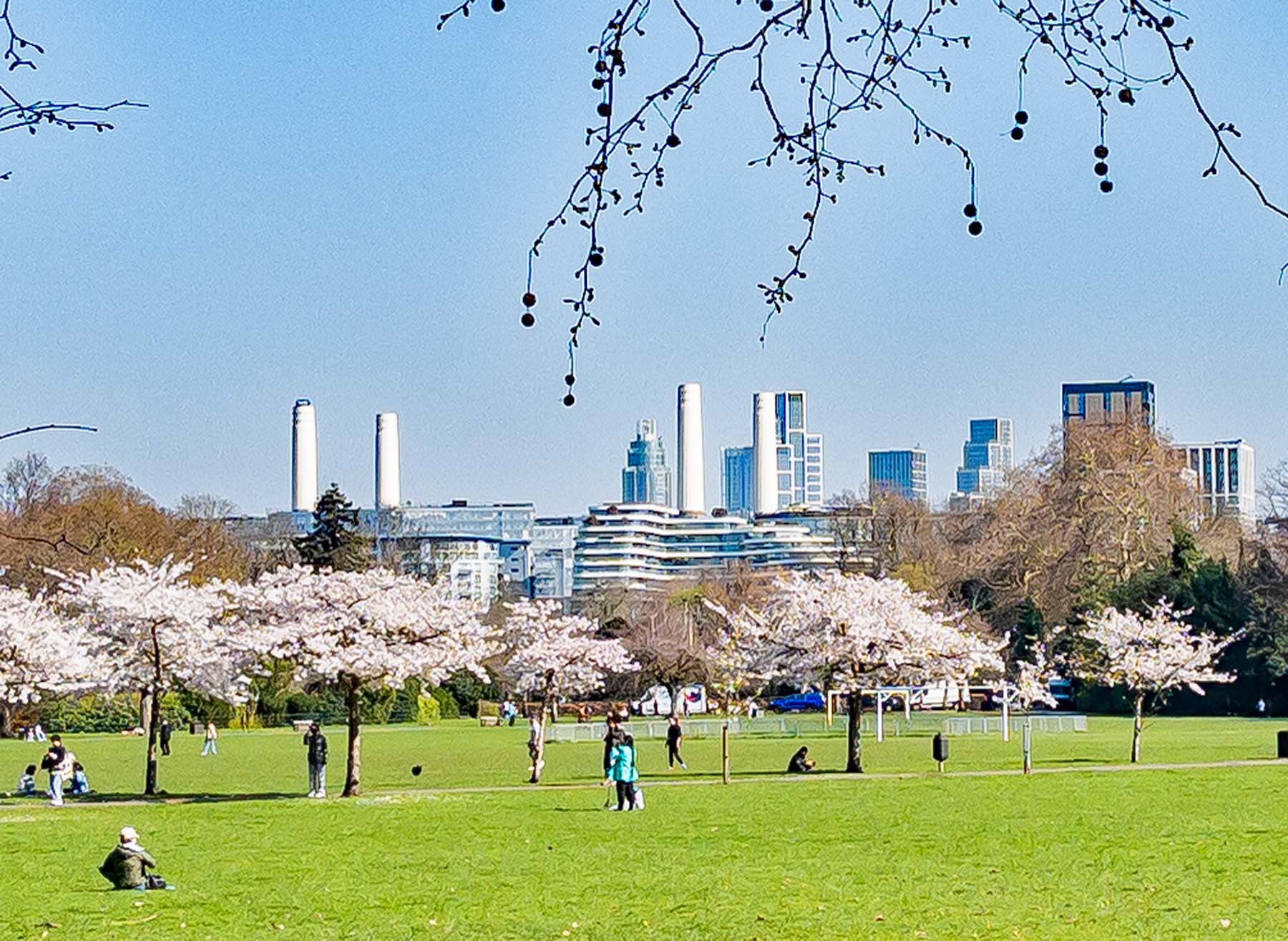
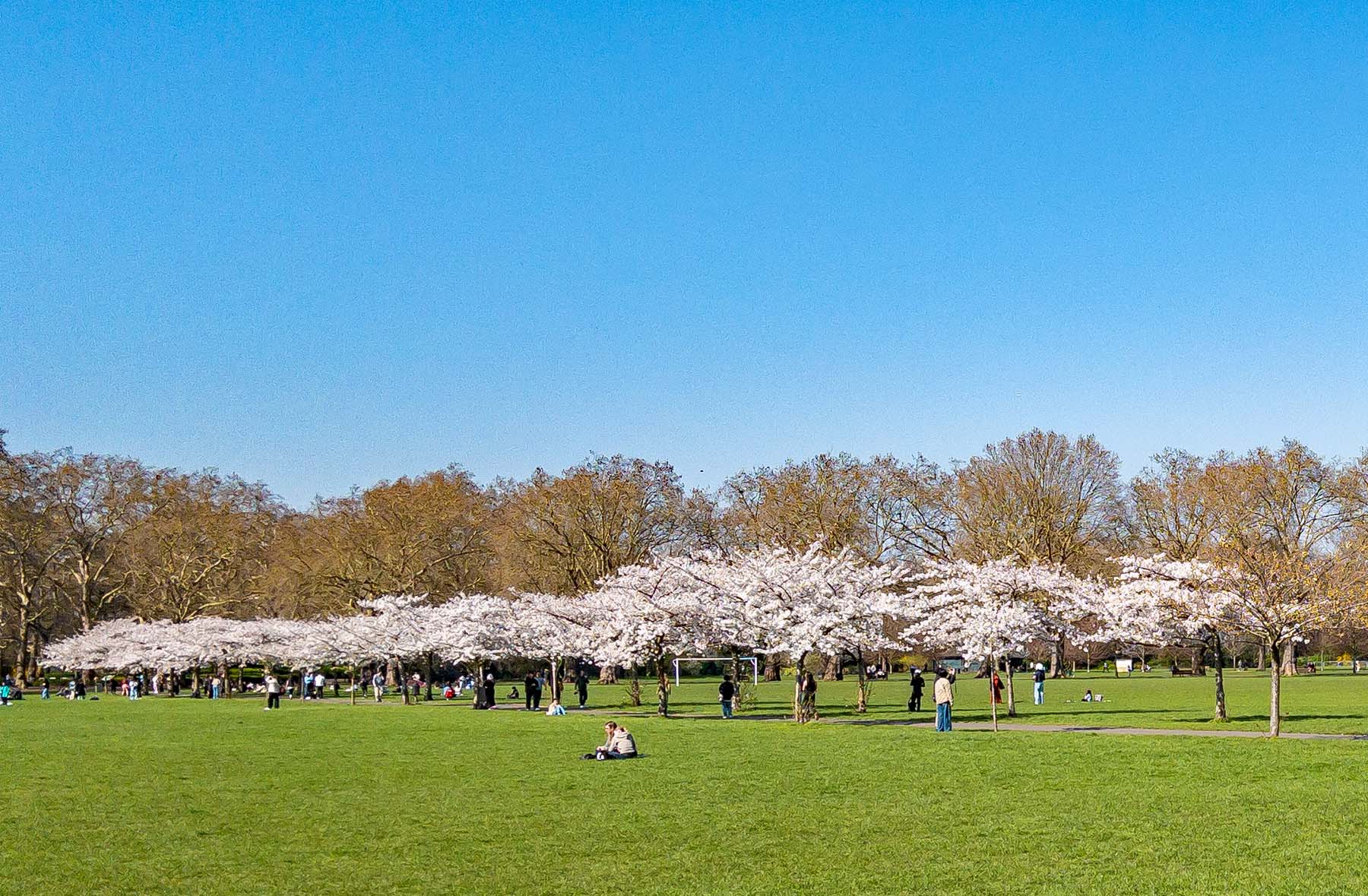
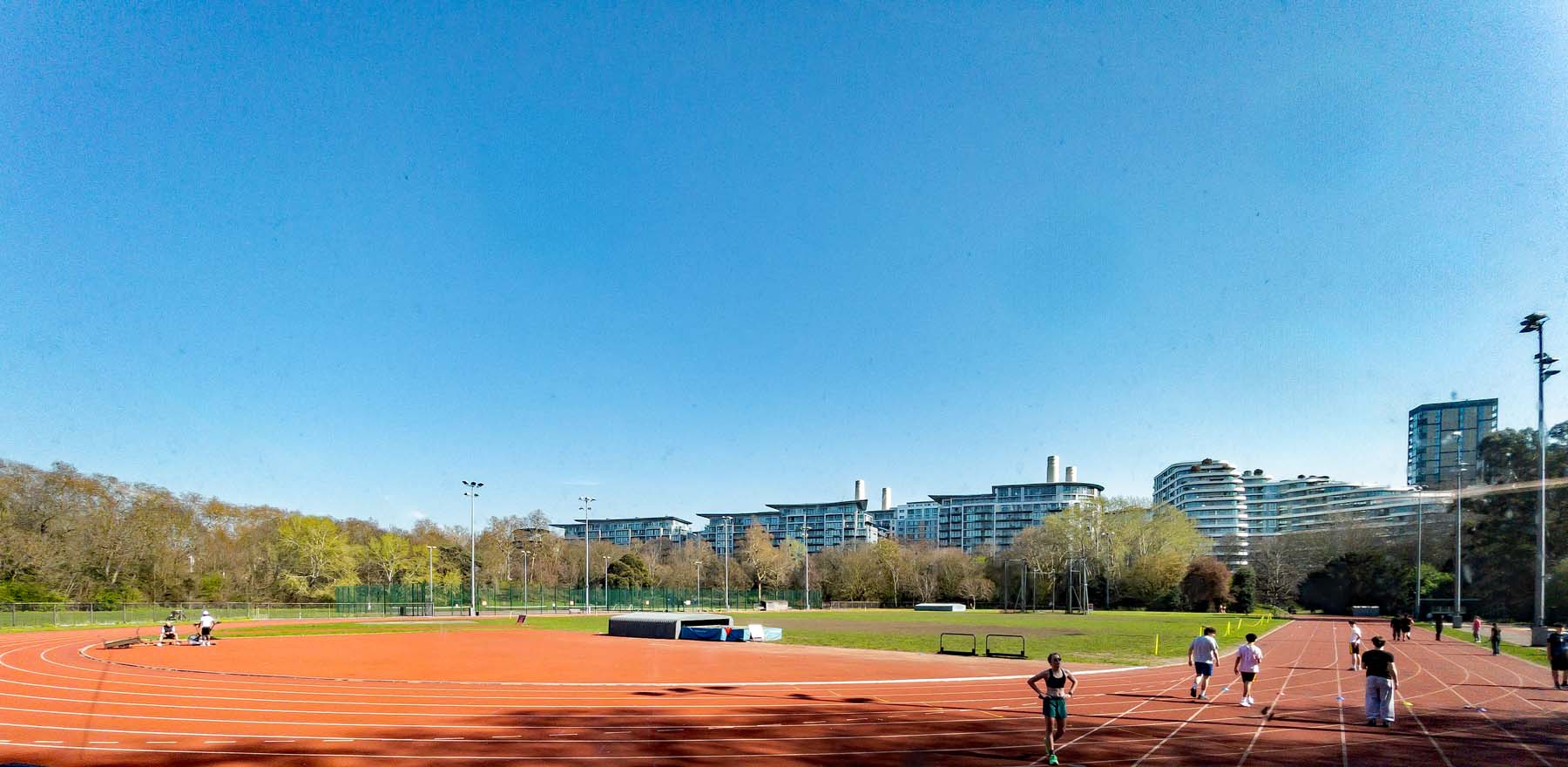
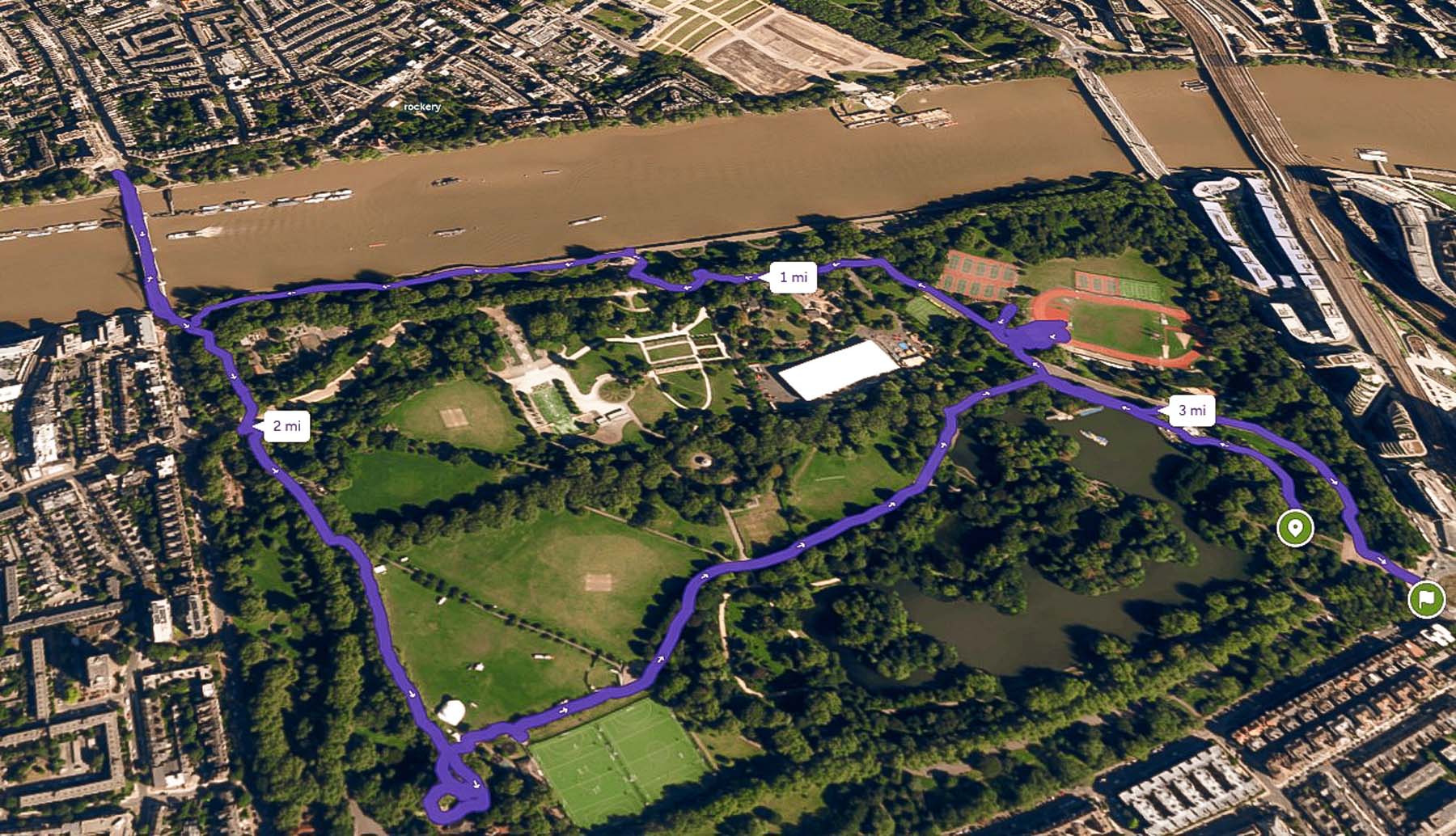
Battersea Park, London
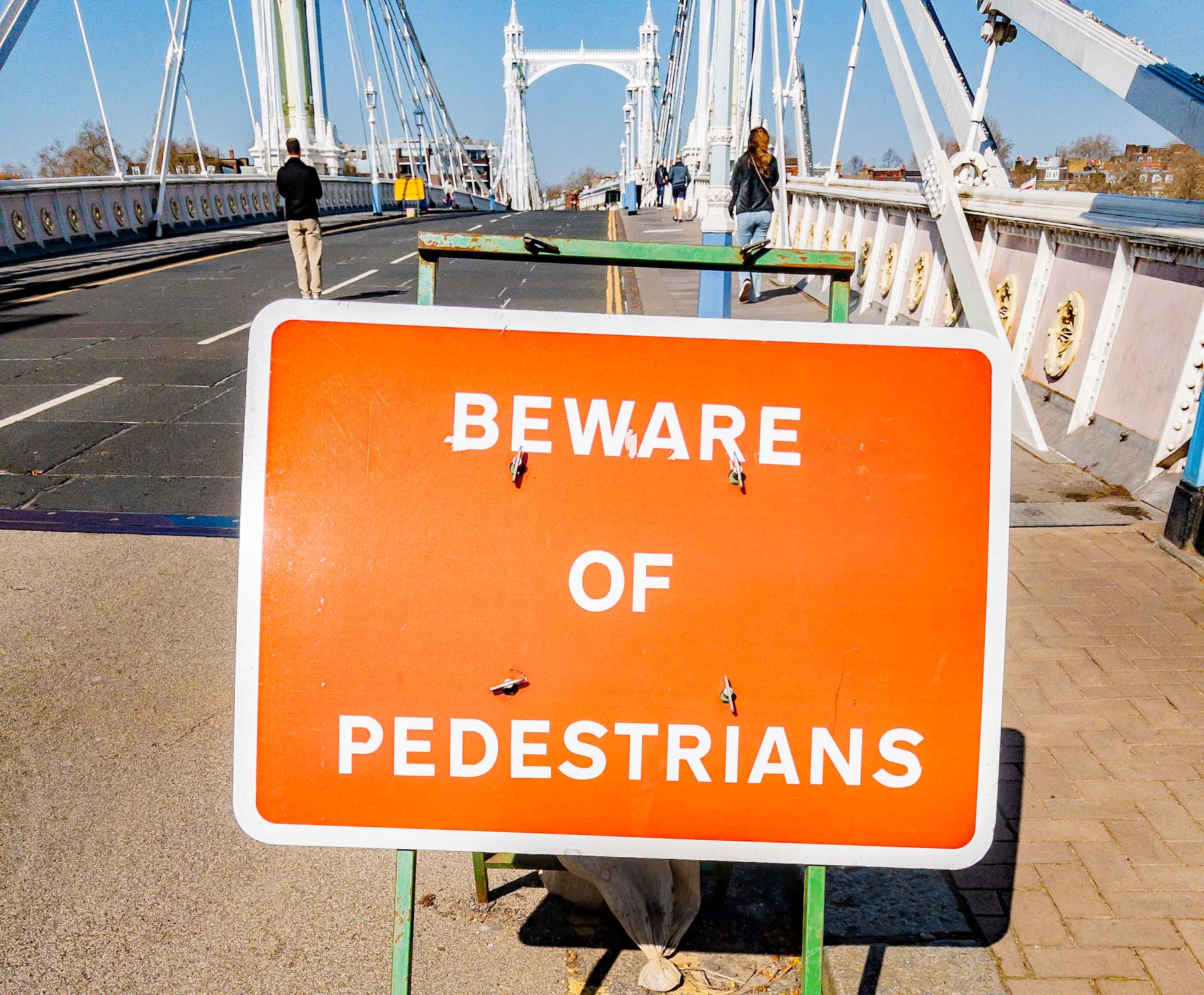
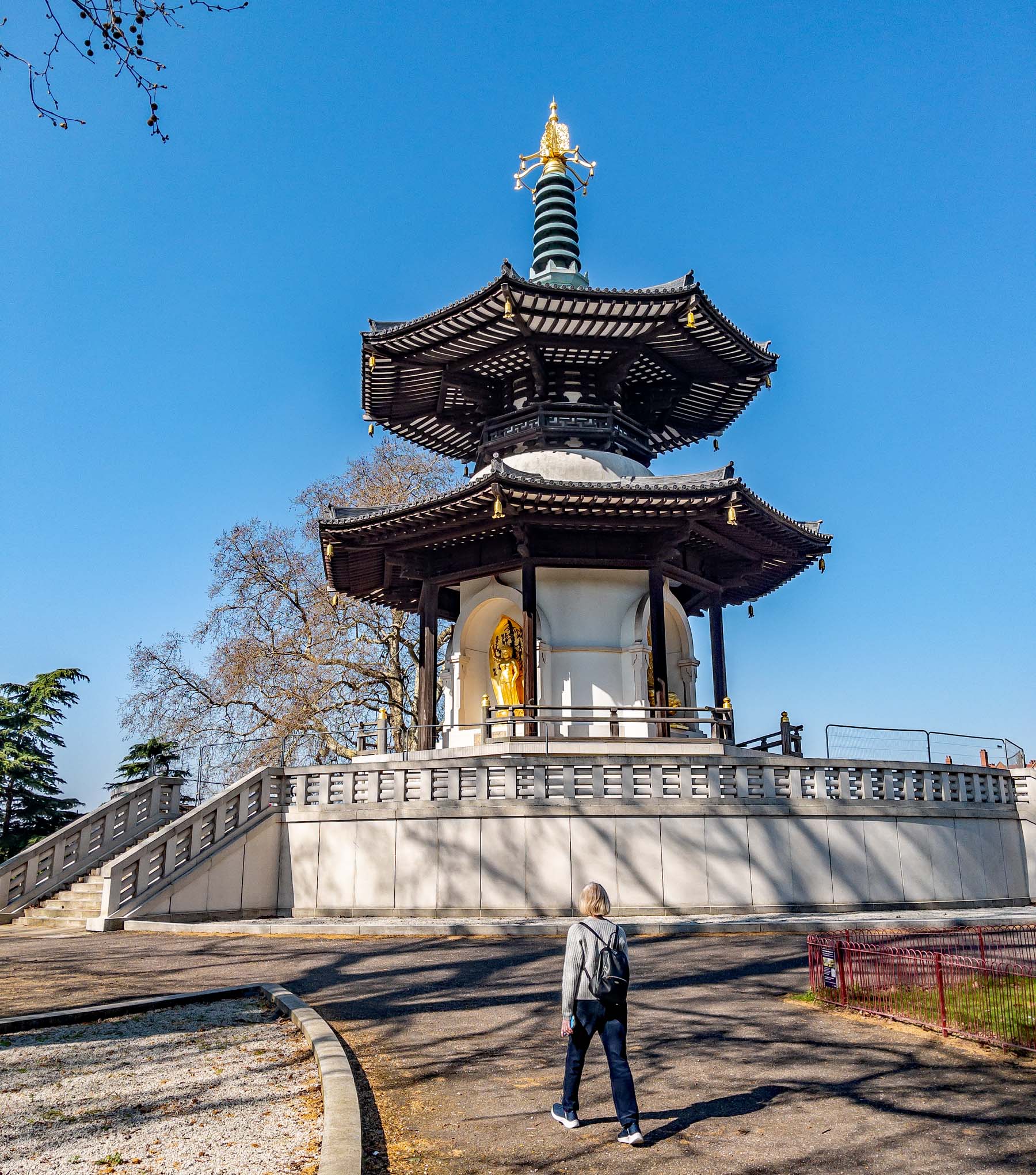
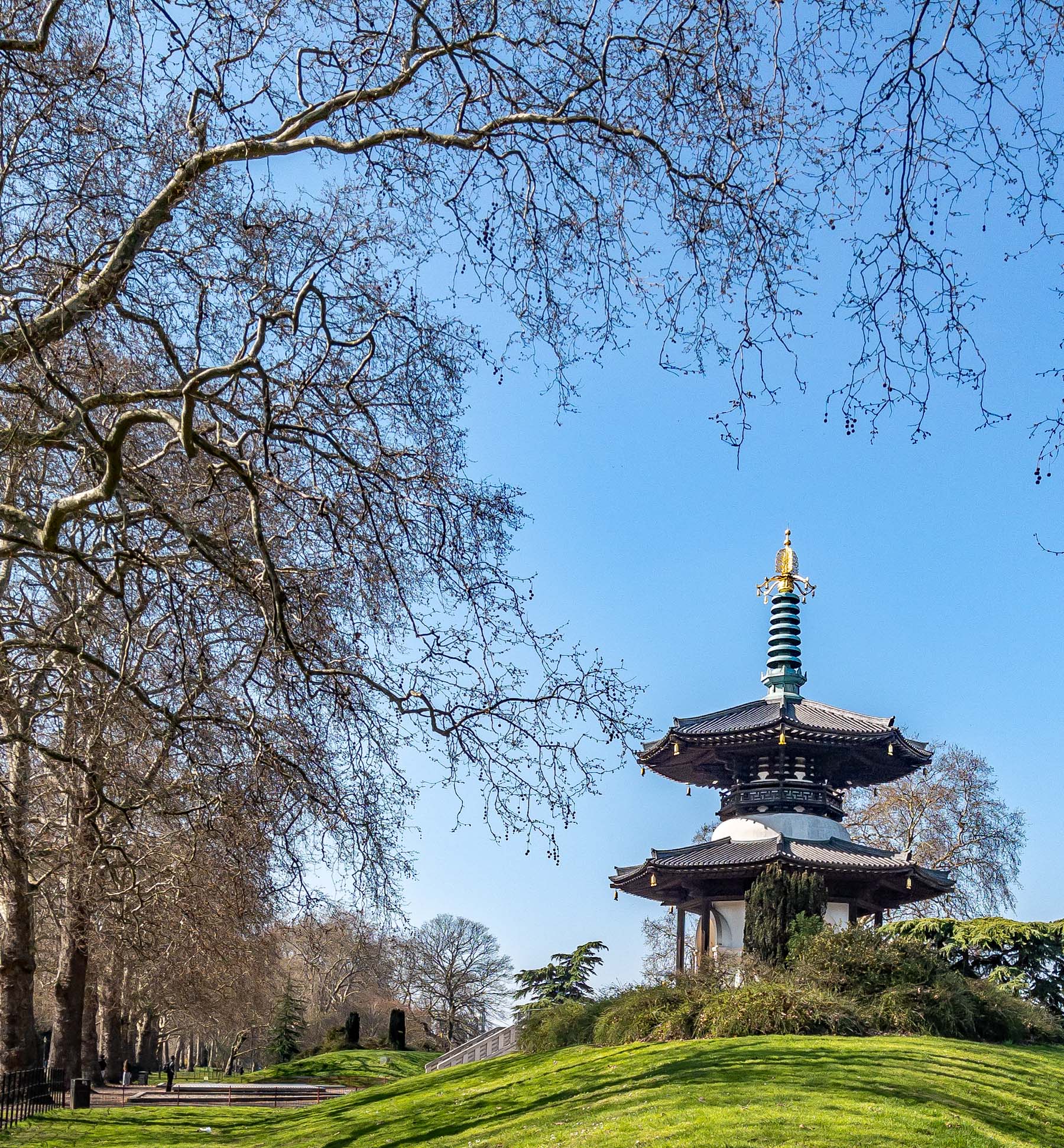
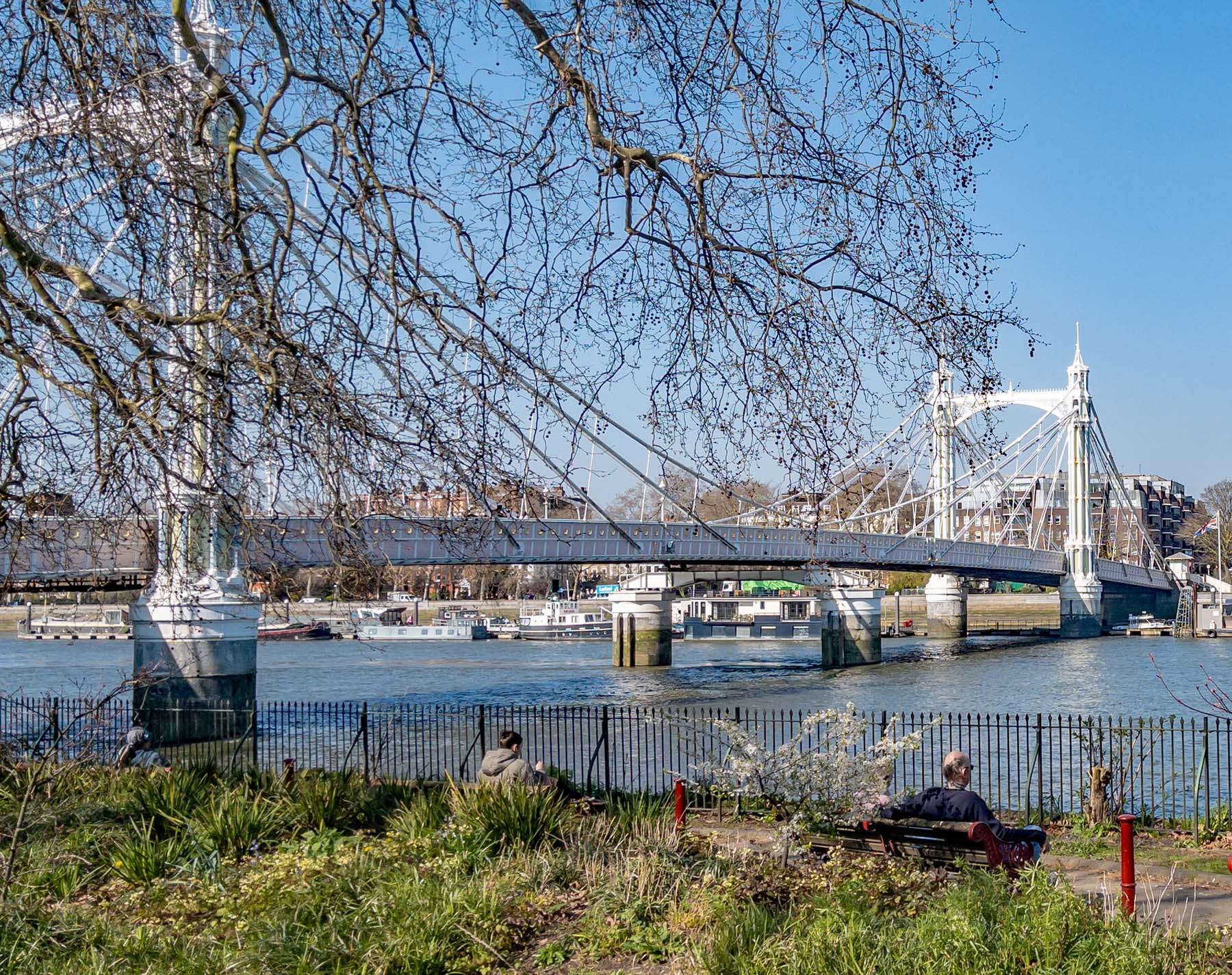
It was a warm, sunny day for a stroll around Battersea Park. It’s been quite a while since we last took a trip up to London.
-
Knole Park, Kent

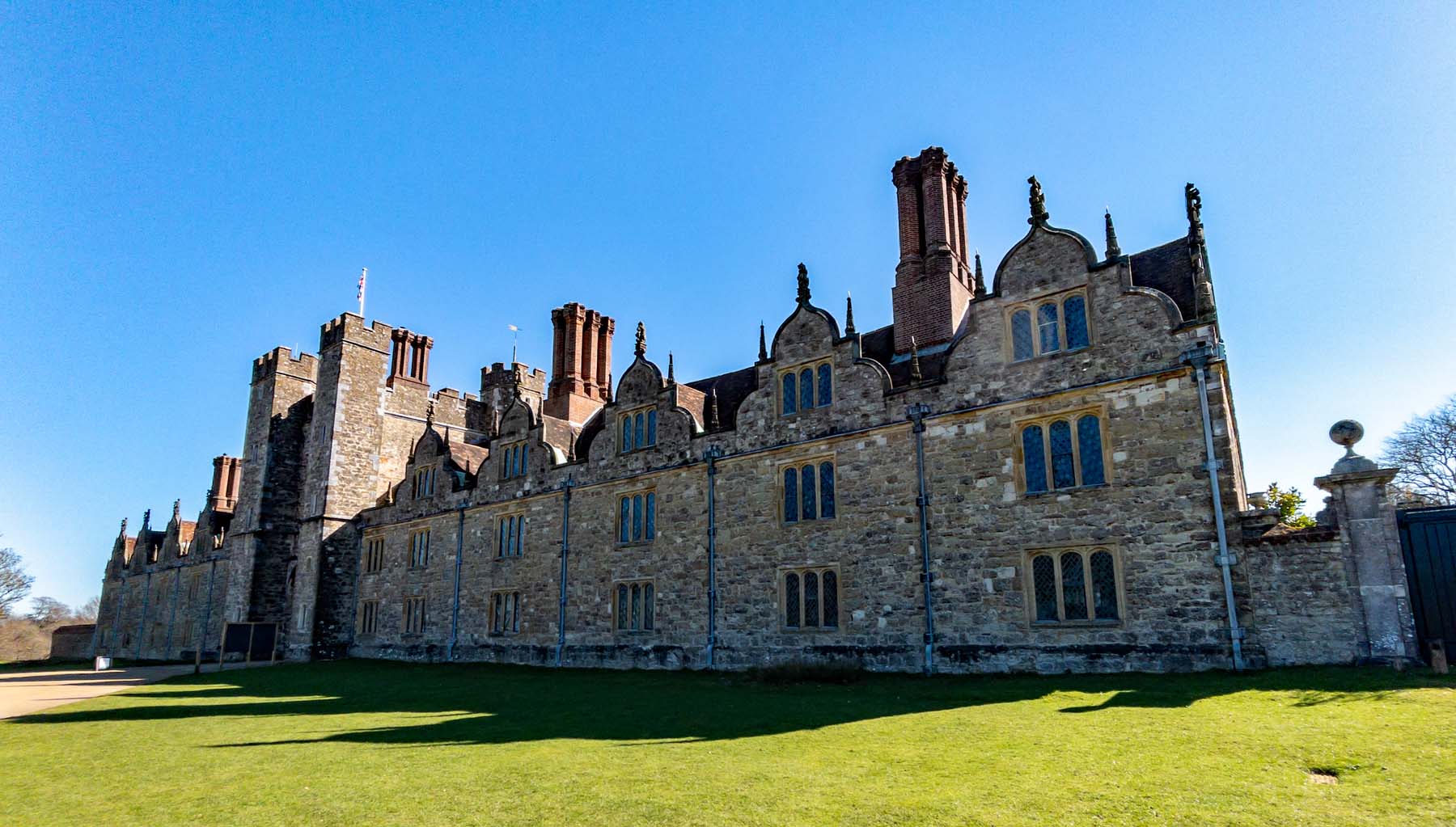
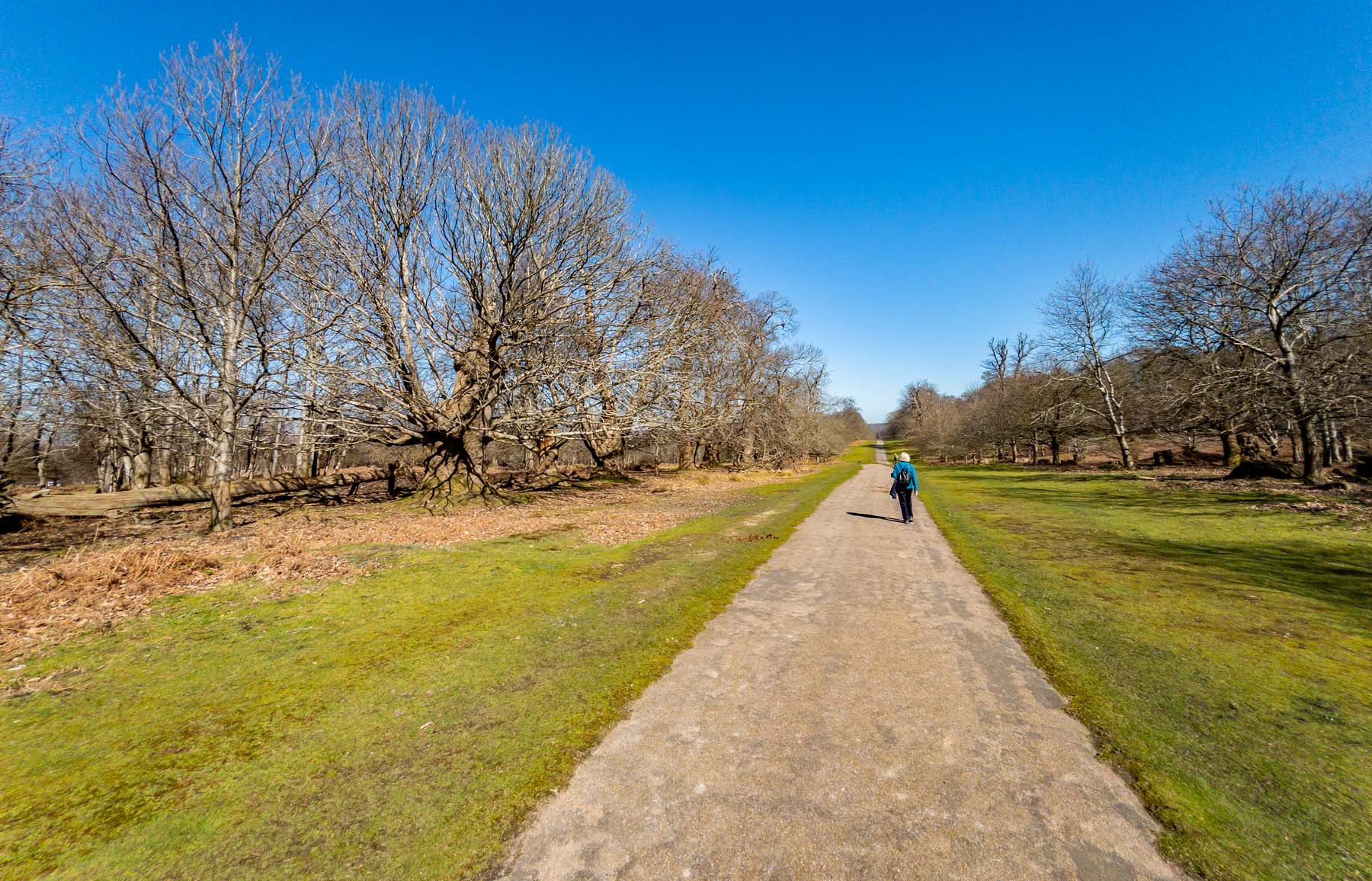
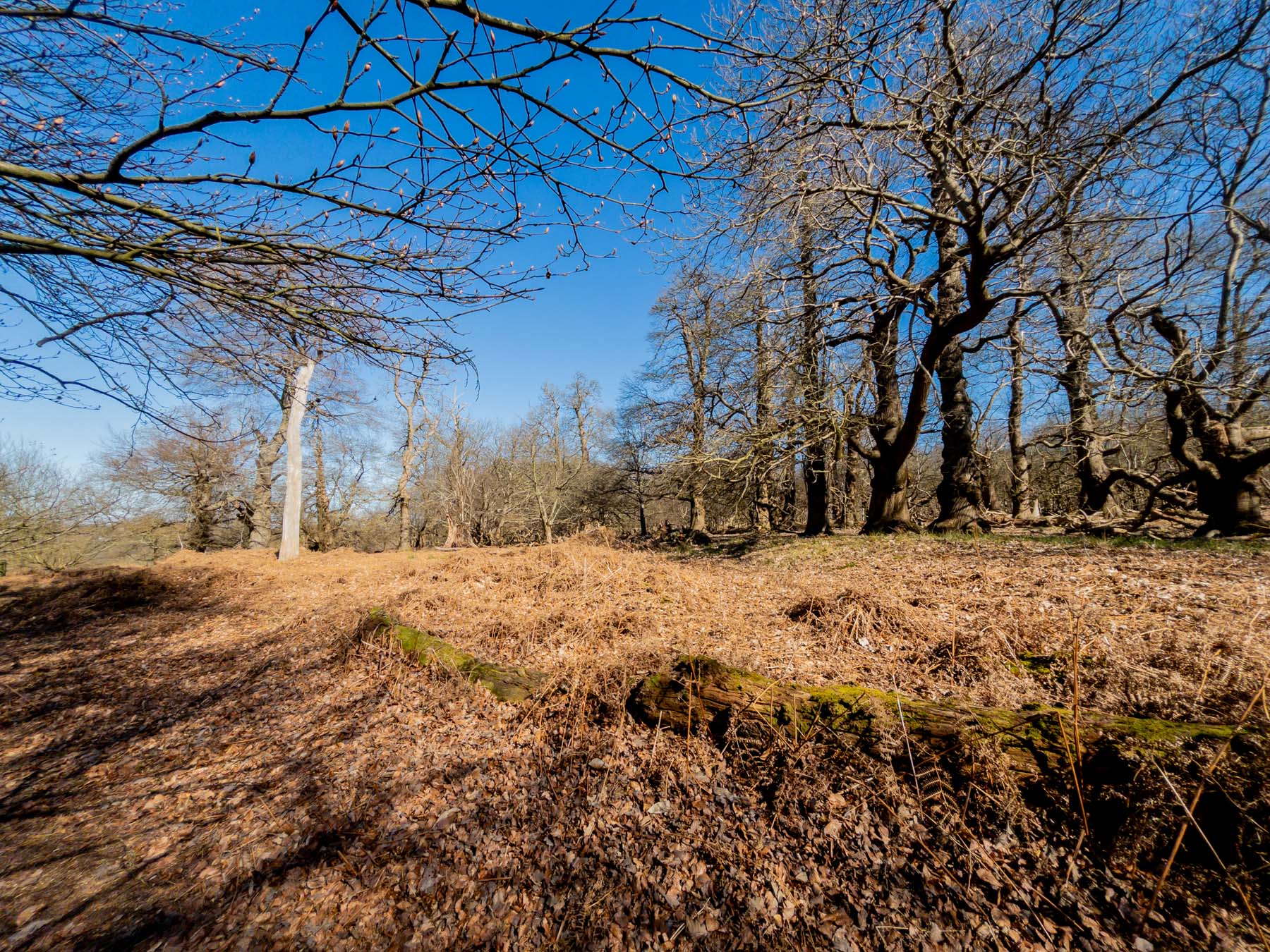
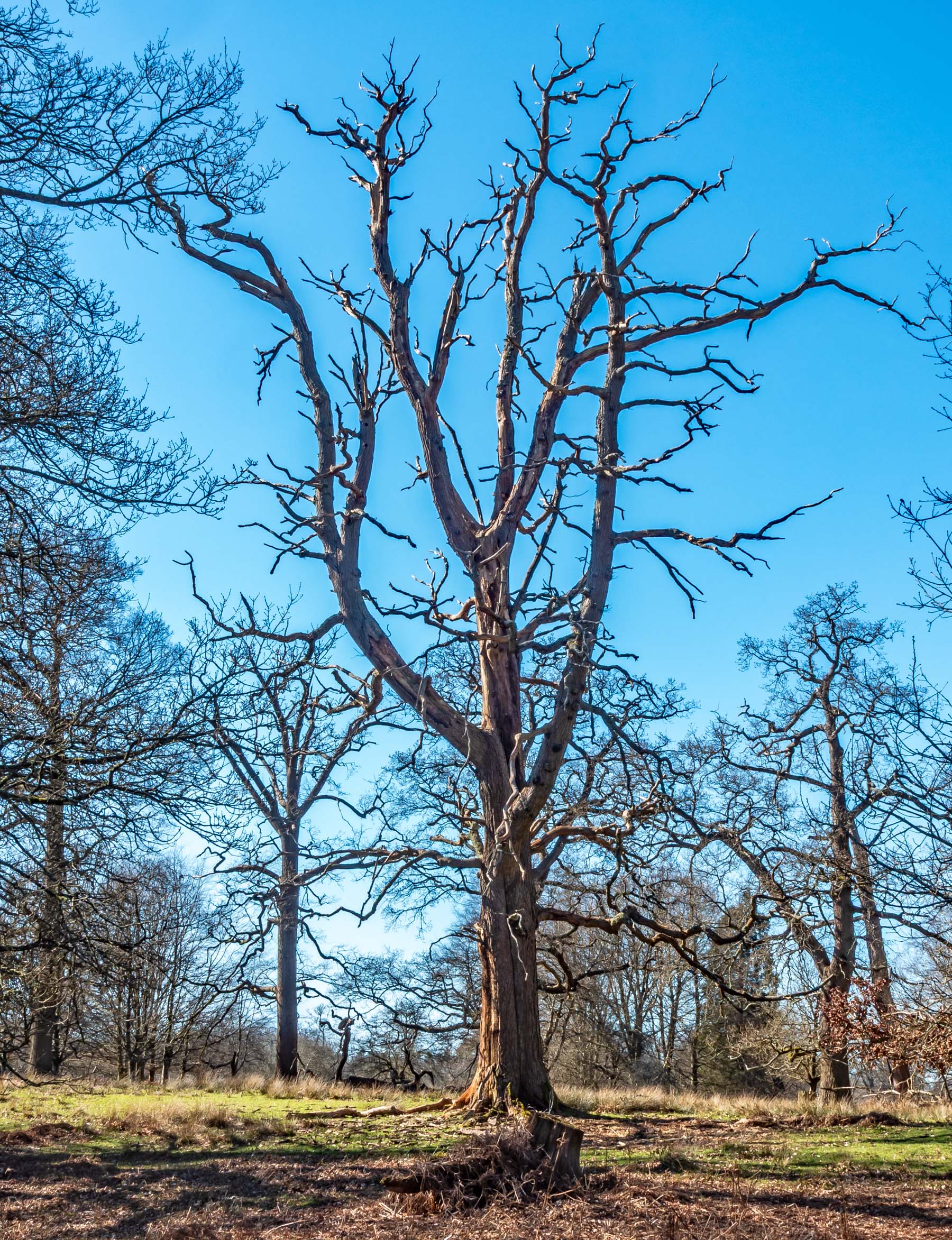
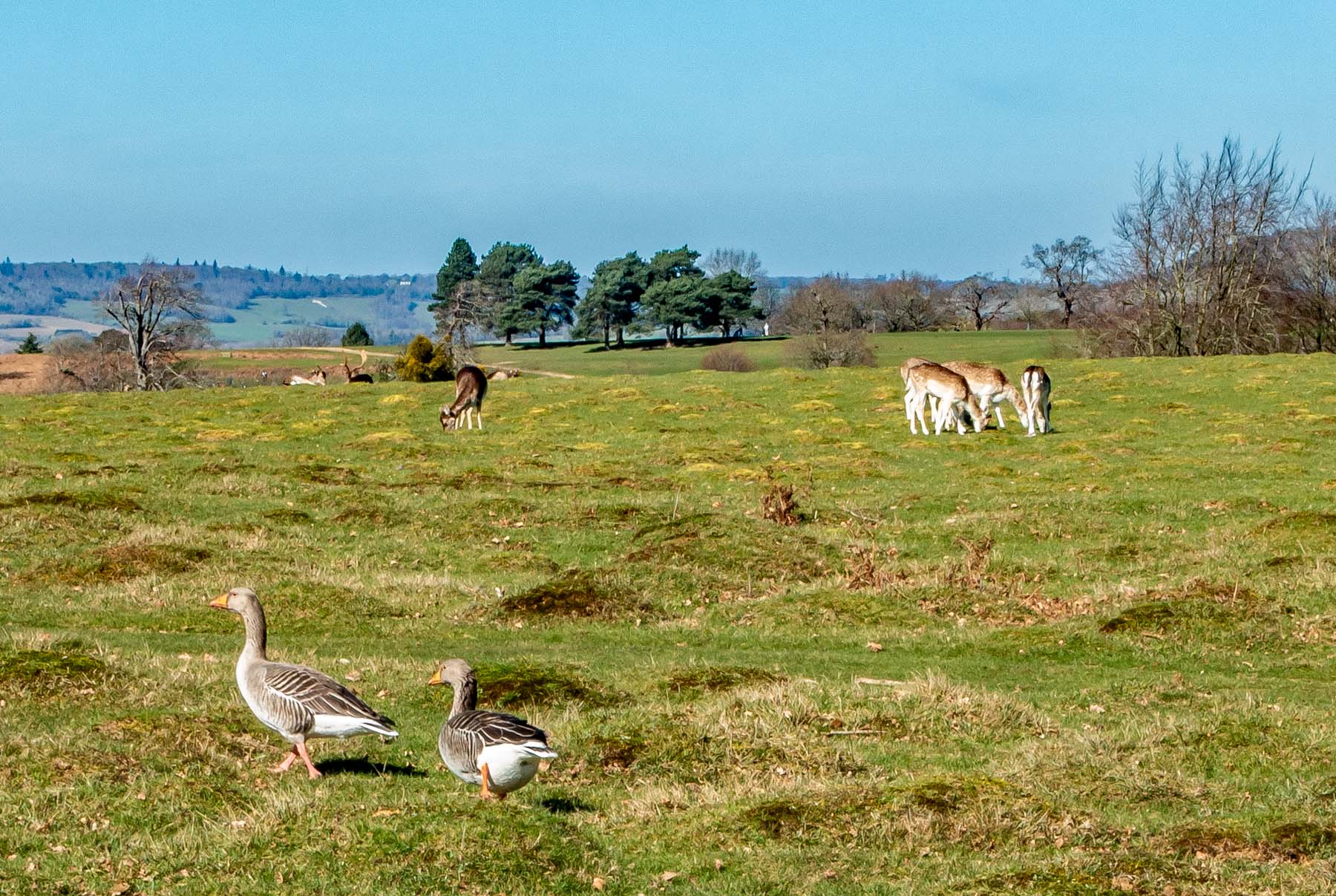
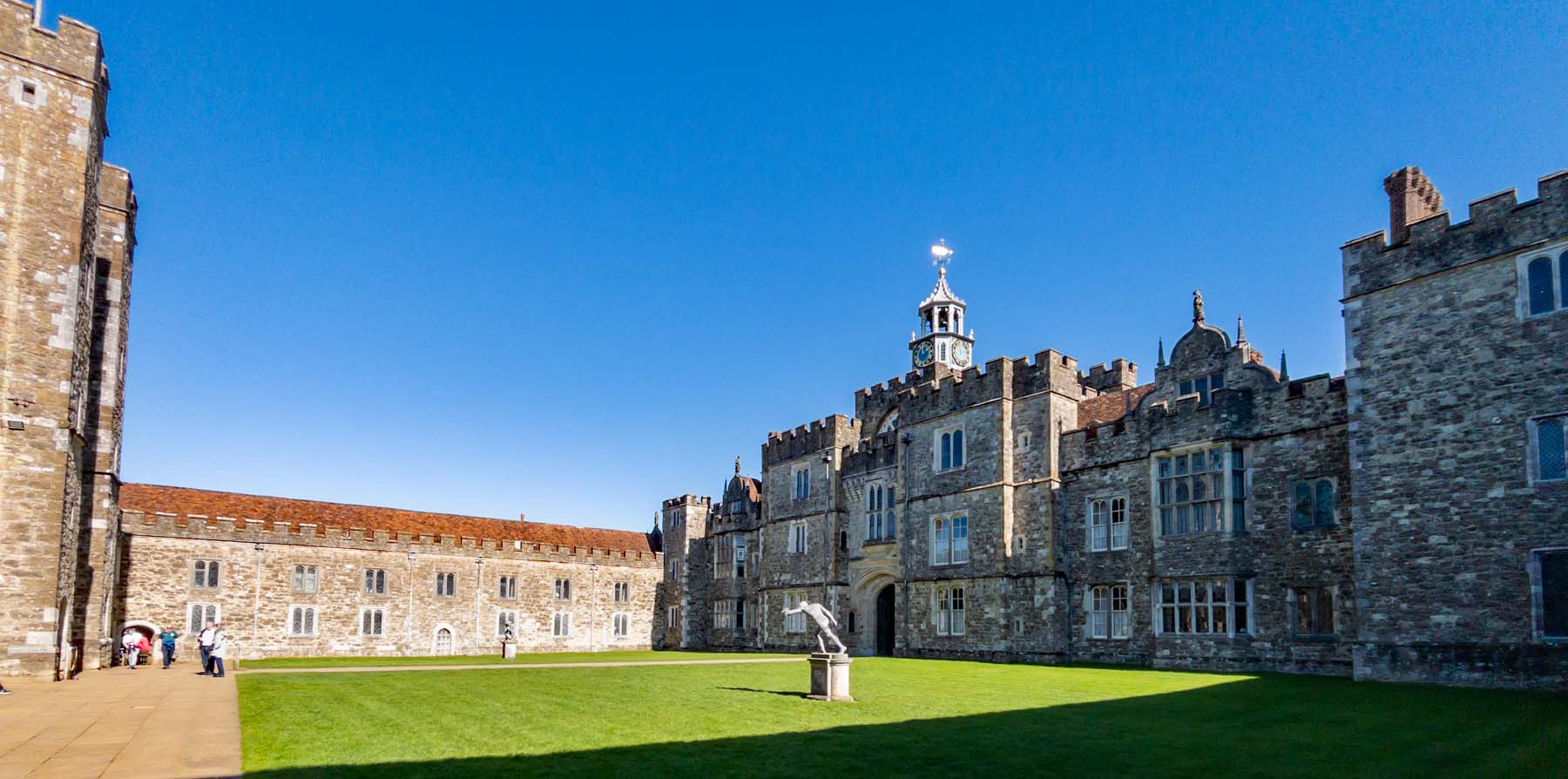
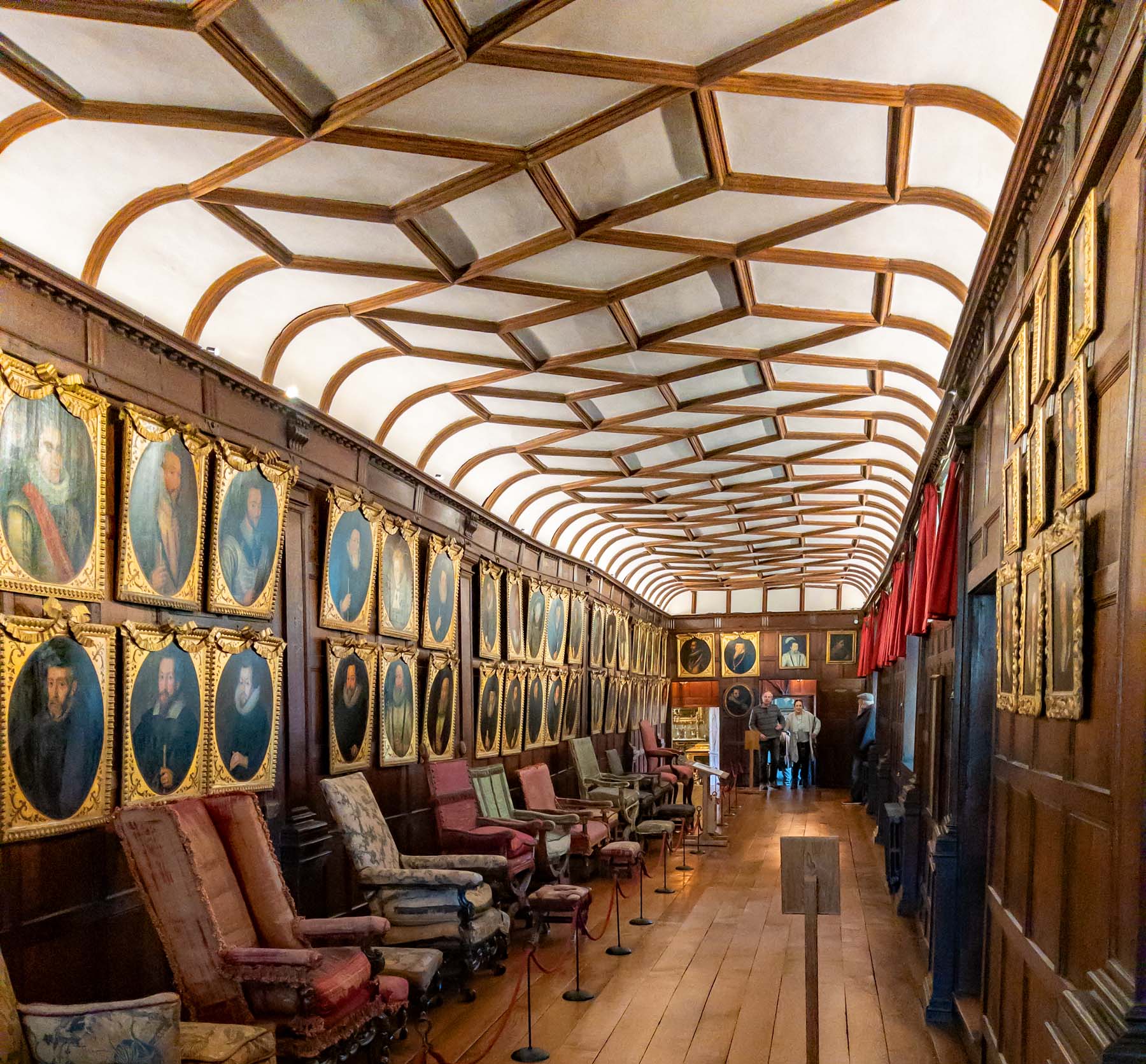
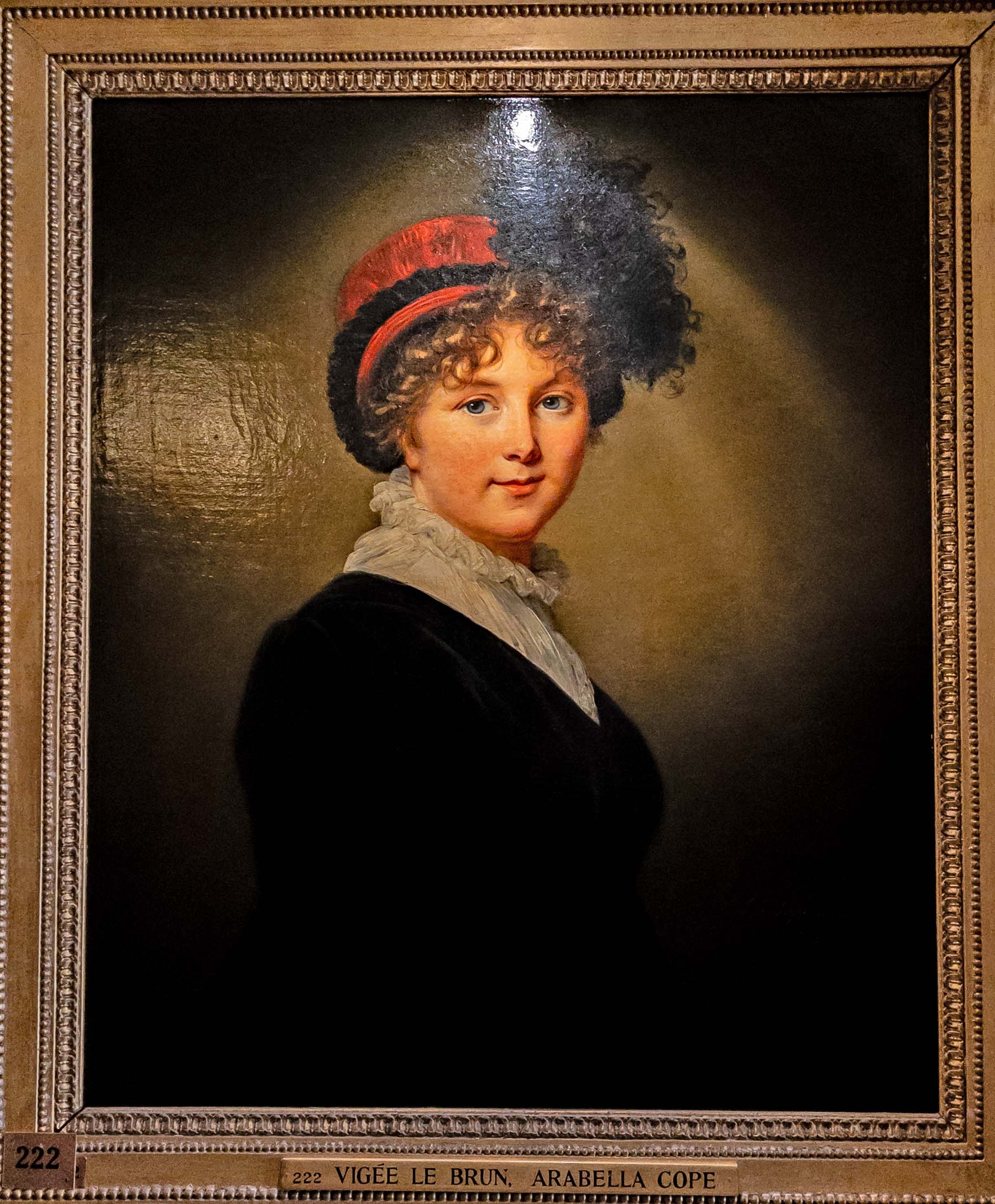
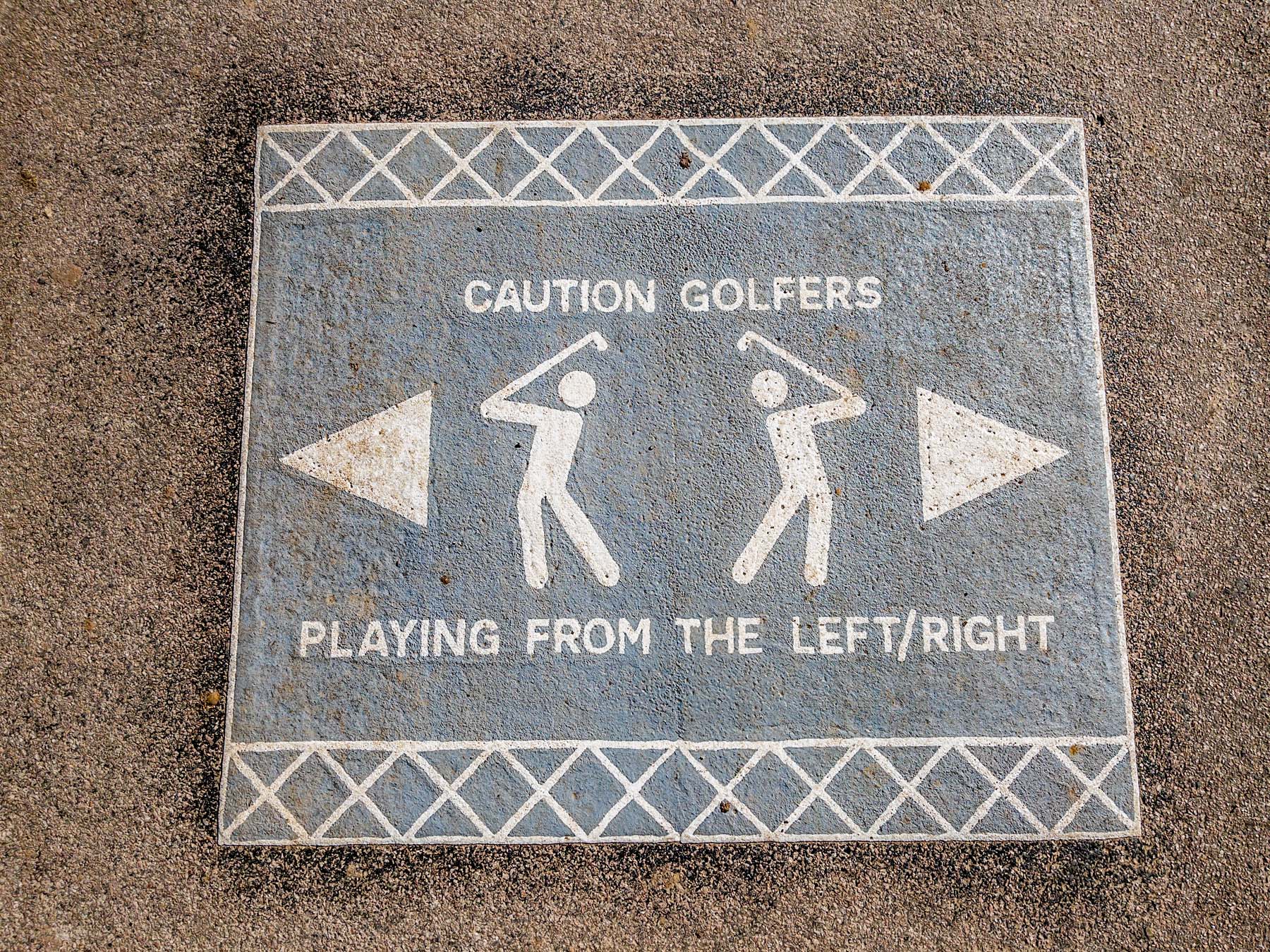
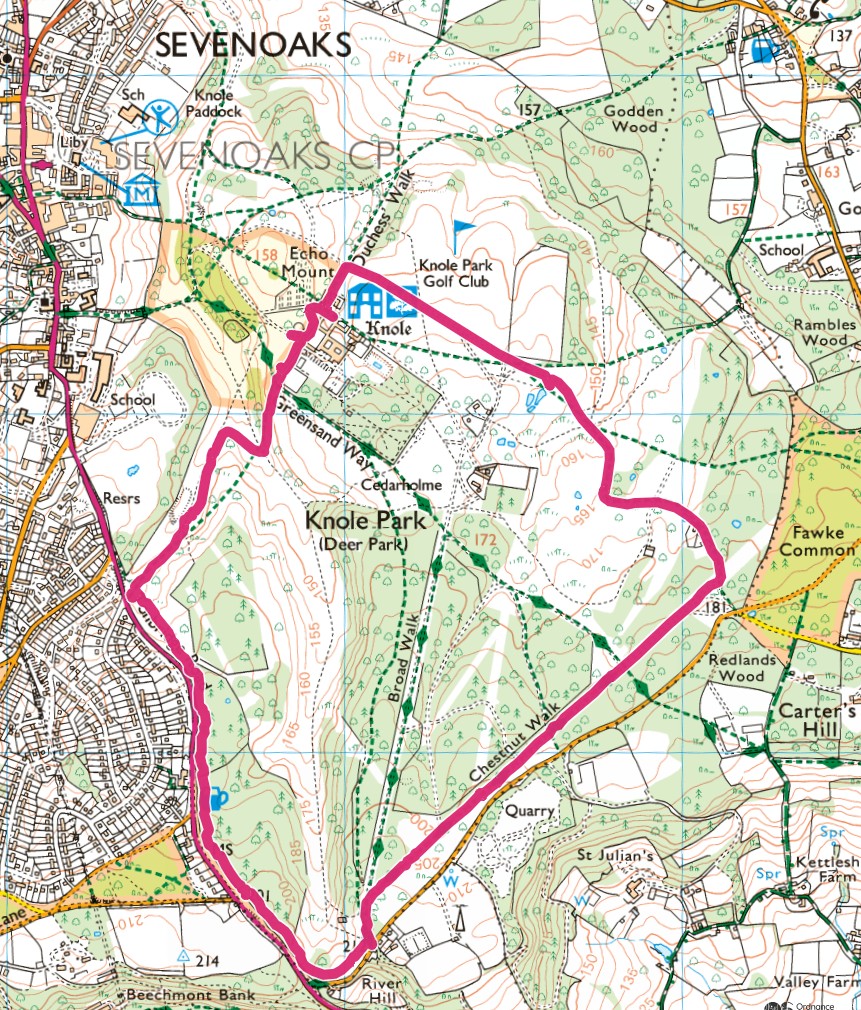
Our second visit (3rd?) to this large, open National Trust park and house. The trees looked dead but I’m sure they couldn’t have been. There are lots of deer. We did the longest of the suggested walks at about 4 miles – we wouldn’t recommend it because it tracked the path of a noisy road for a fair distance. But we did have a lovely day. There’s a bookshop, but not a second-hand bookshop (boo!). It took an hour driving there via a scenic route and 50 minutes returning via the M25/M23. It’s well worth a visit.


-
North Downs walk
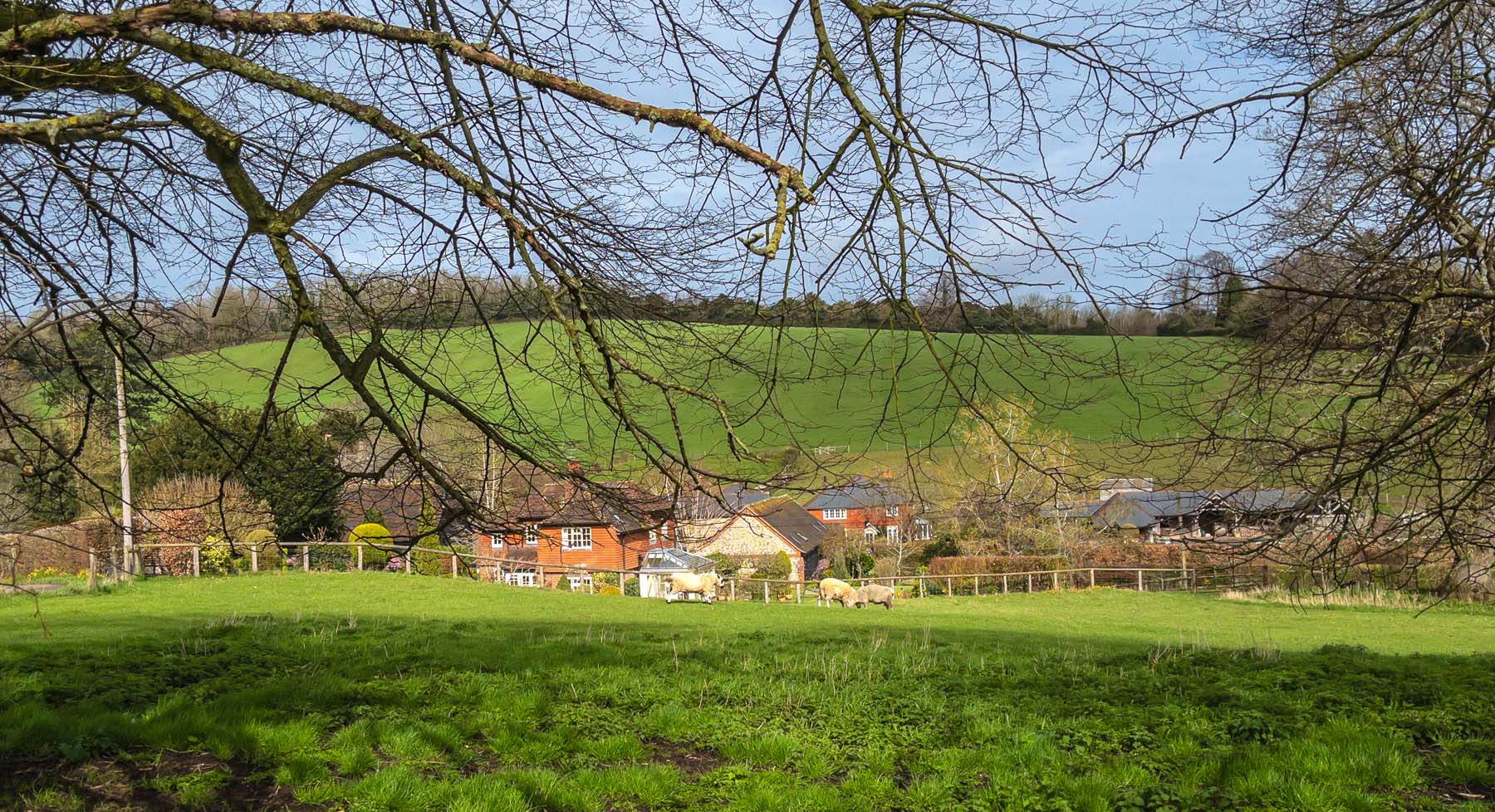
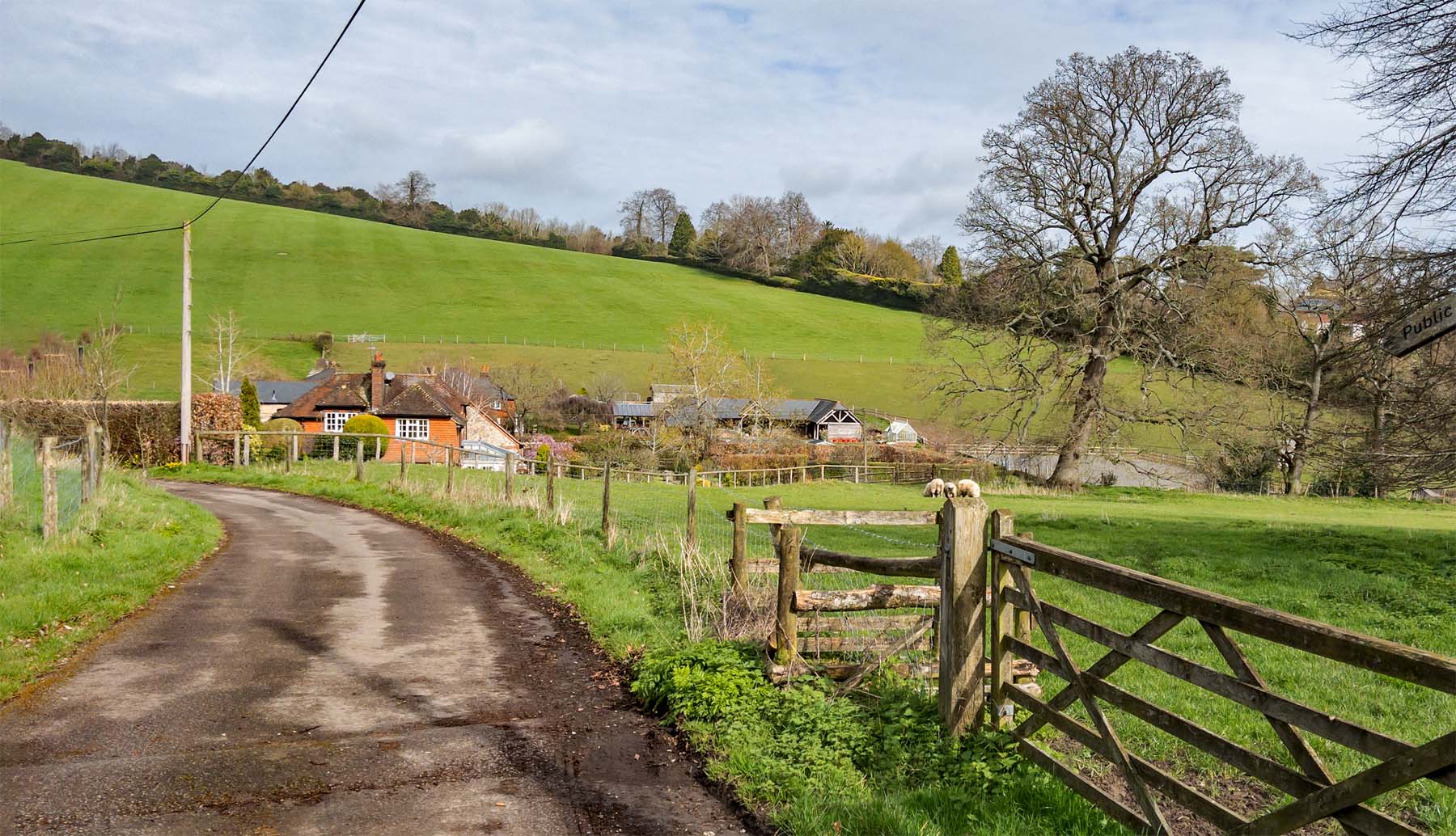
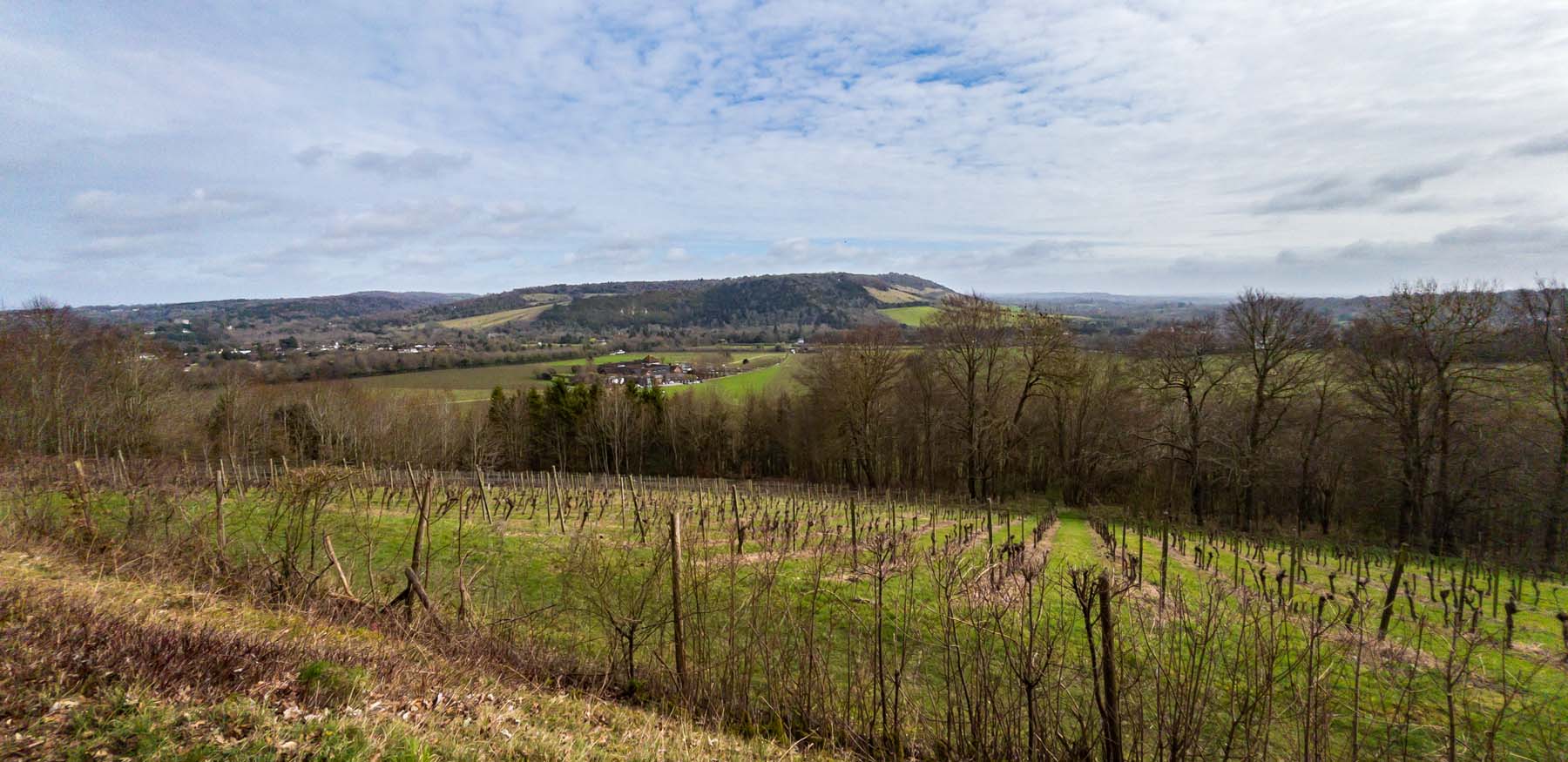
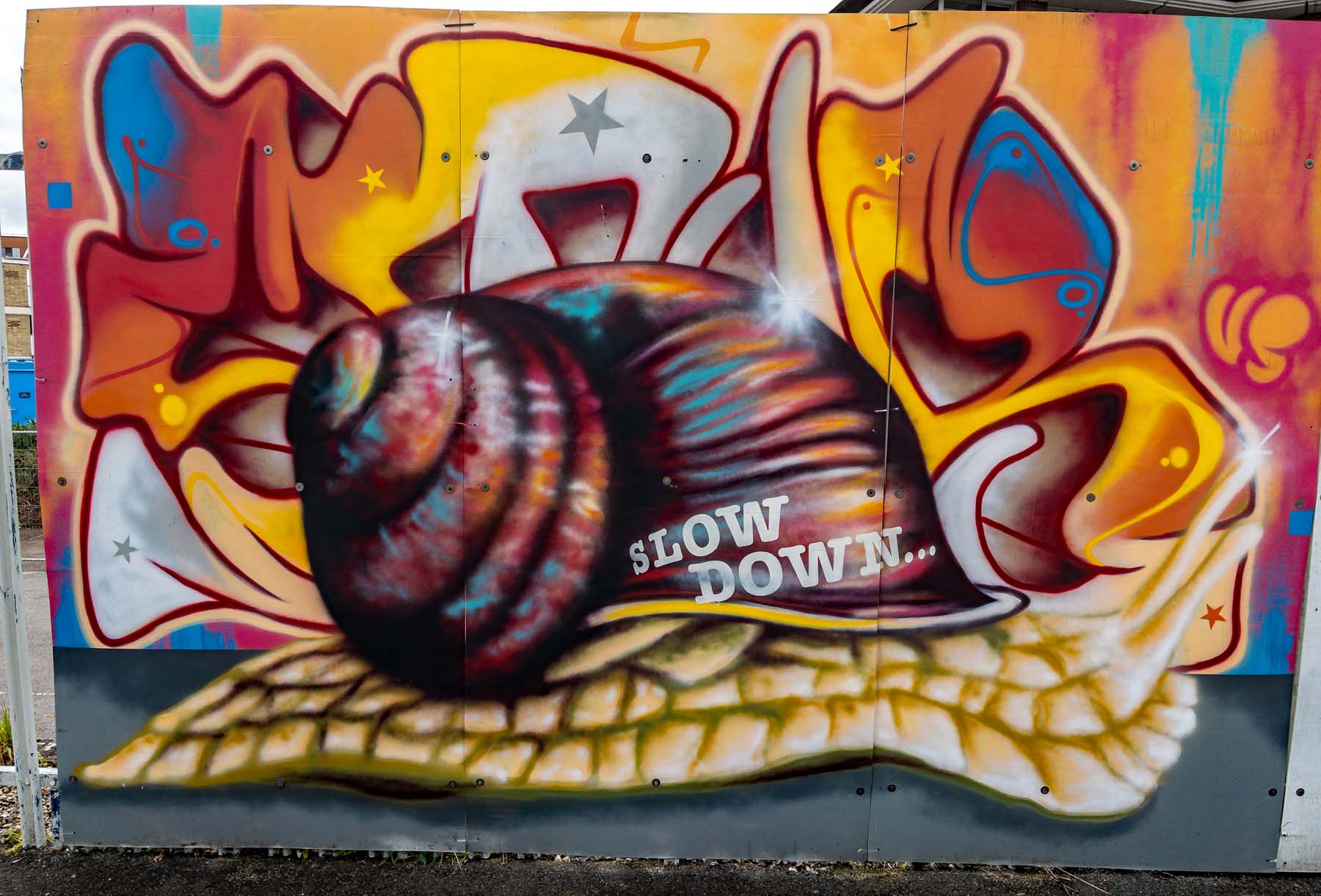
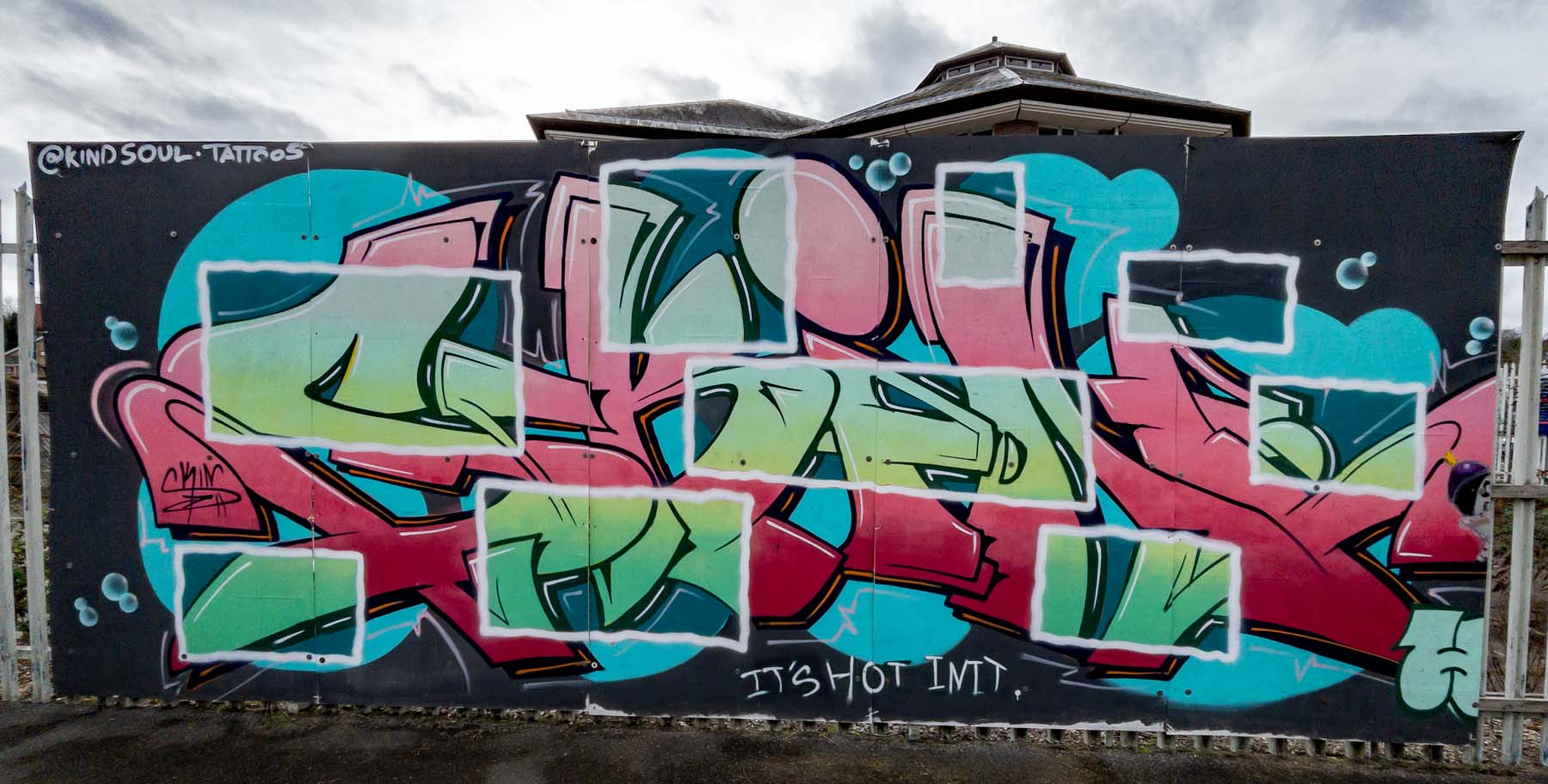
Starting at Westhumble Station this walk took me to the top of the North Downs before dropping down into Dorking. It’s a walk I’ve done a few times. Distinguished this time by the impressive church bell ringing (see videos below) at the St Barnabas Church on Ranmore Common, where I was cajoled into partaking in a coffee and cake from one of the church volunteers. When I re-joined my walk it dawned on me that the coffee and cake were probably intended for the bell ringers. Never mind, I made a donation to the church!
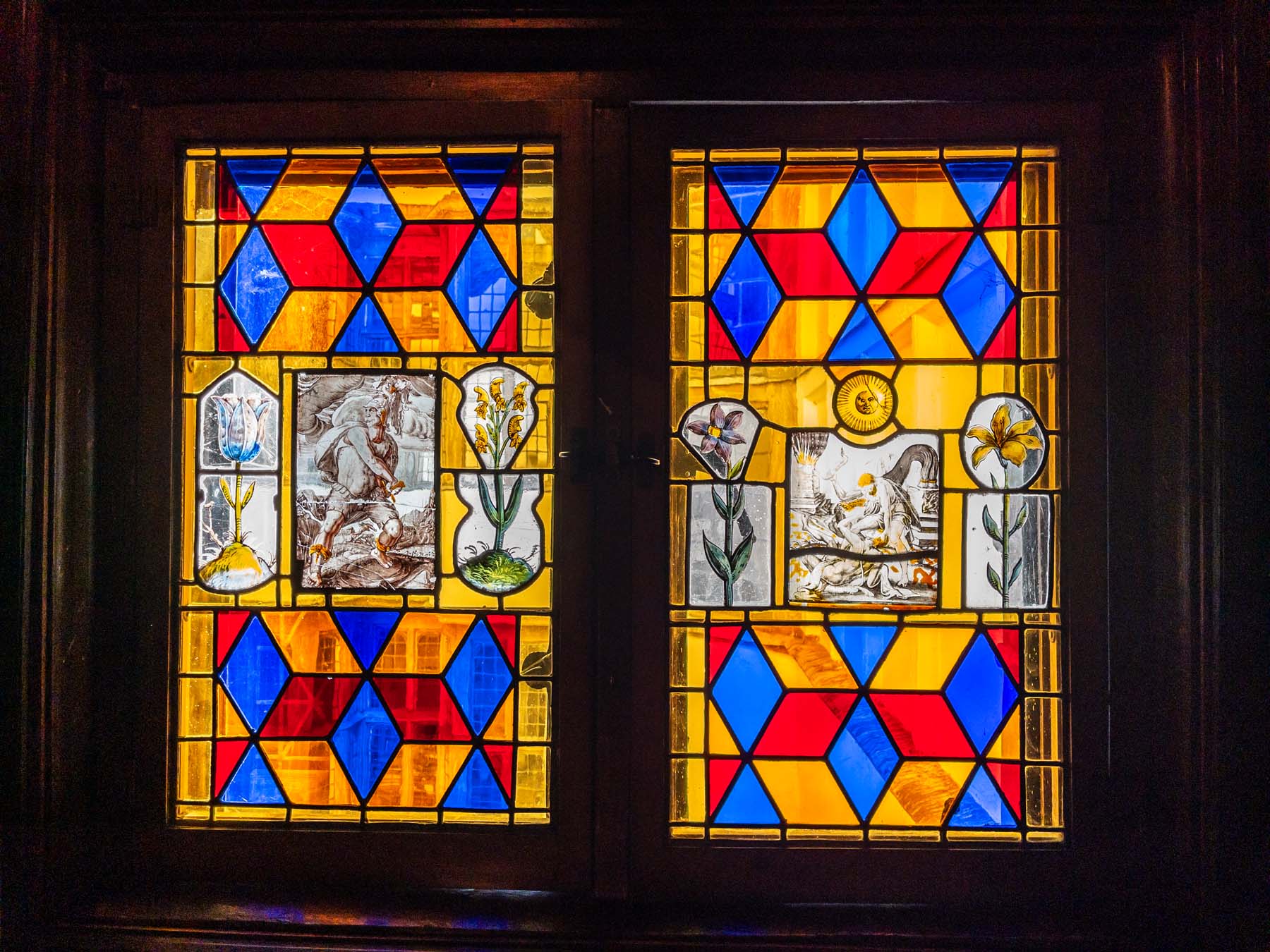
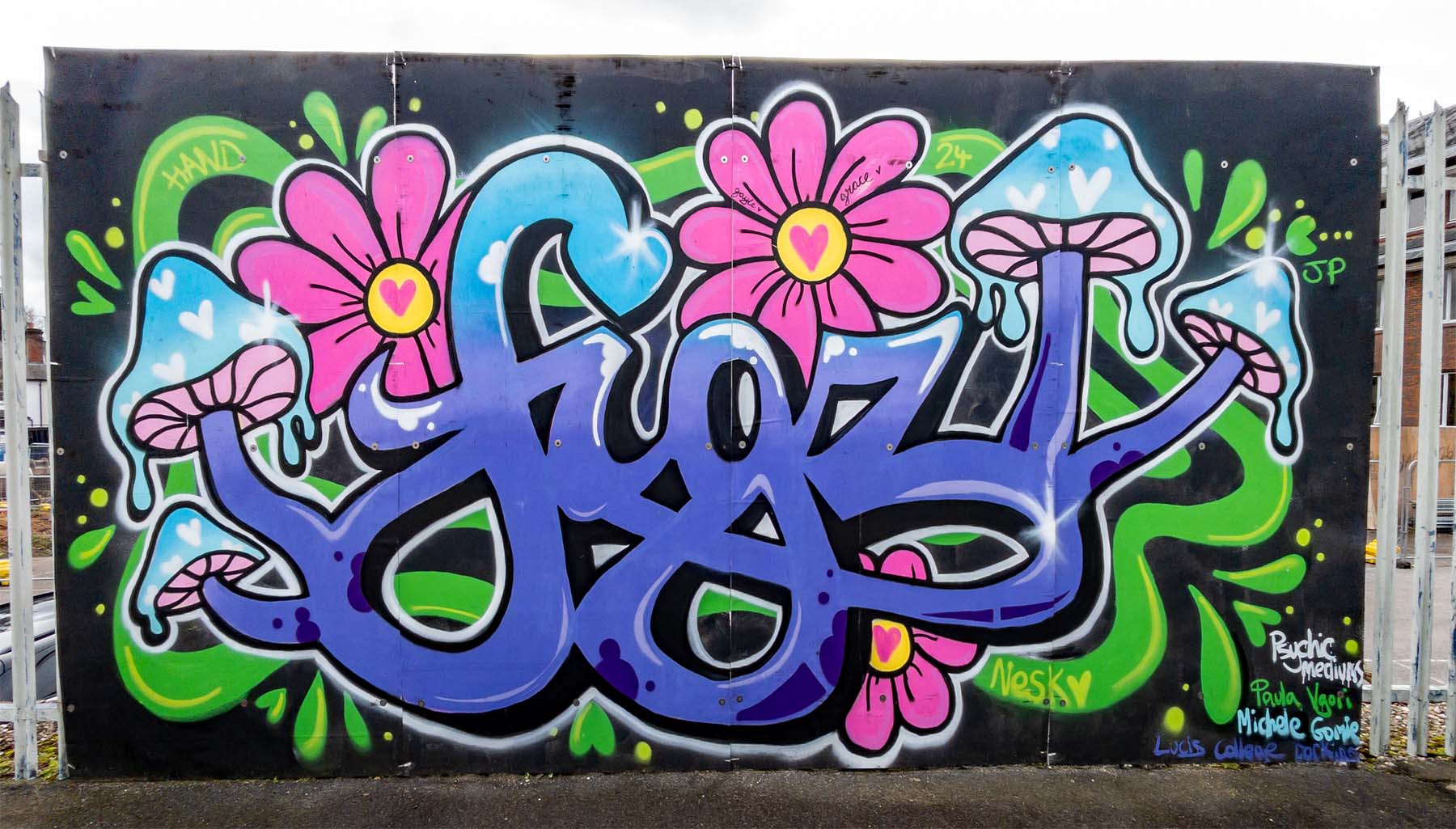
The garish images at the bottom were taken on the Dorking Station platform.



-
How I choose books
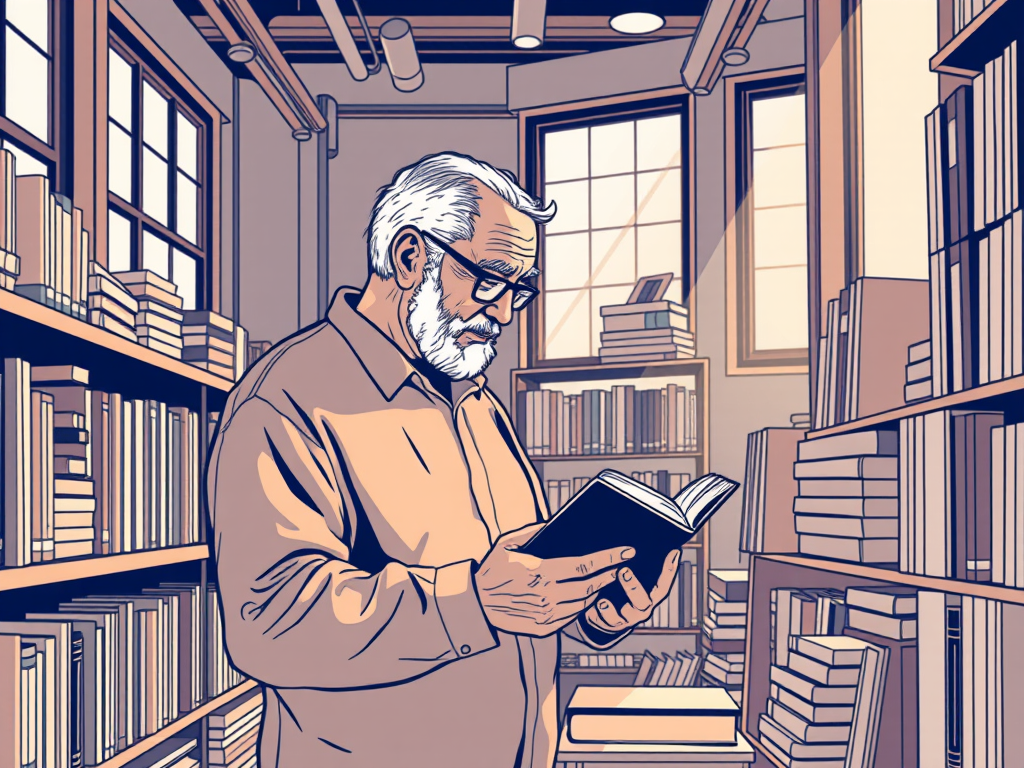
- I buy new books, second-hand books and I borrow books from local libraries.
- I mainly read fiction. ChatGPT says I’m attracted to themes of “marriages under strain, grief, ageing, regret, moral compromise, quiet lives examined closely”, and that I gravitate toward “writers who are: subtle rather than showy, interested in character over plot, compassionate without being sentimental”.
- I do read non-fiction if the subject attracts my attention. ChatGPT says my non-fiction choices are around “democracy, media, technology, and truth, with an interest in how narratives are shaped and distorted”.
- I will buy/borrow books on recommendation, though I have a very limited exposure to book reviews.
- I ignore thick books and small books (anything smaller than the typical paperback size). I ignore hardbacks as they won’t fit in my coat pocket.
- I completely ignore science fiction, romance, spy and horror genres.
- The title on the spine has to grab my attention and I am favourable to authors whose books I have read and liked.
- I might avoid books with no recommendations on the back or inside, also books with lots of raves from individuals rather than organisations such as newspapers. I also avoid books with recommendations from people who always seem to be recommending books (eg Marian Keys).
- I avoid books if the blurb contains certain words (poetic, historical, magical, humorous) or phrases (coming of age) or subject matter (coping with illness, dealing with death. I sometimes makes exceptions with the latter).
- I sometimes ignore books on a shelf that are wedged in so tight that it’s very difficult to pull the book out and is likely going to be just as difficult to put back on the shelf should I decide not to keep it. My local libraries are frequently guilty of this but so also are some bookshops.
- I have a list of popular authors, too many to list, who I totally ignore. I’ve read one Richard Osman novel and won’t read another.
- Despite reading a lot of crime, there are so many crime novelists that I ignore most of them.
- I regularly look up my blog using my phone to see whether a book I’m considering is one I’ve read before. Reason? I have a shocking memory and I’ve read lots of books.
- Finally, the blurb on the back has to win me over.
Thank you for reading!
-
I’ve done this walk before
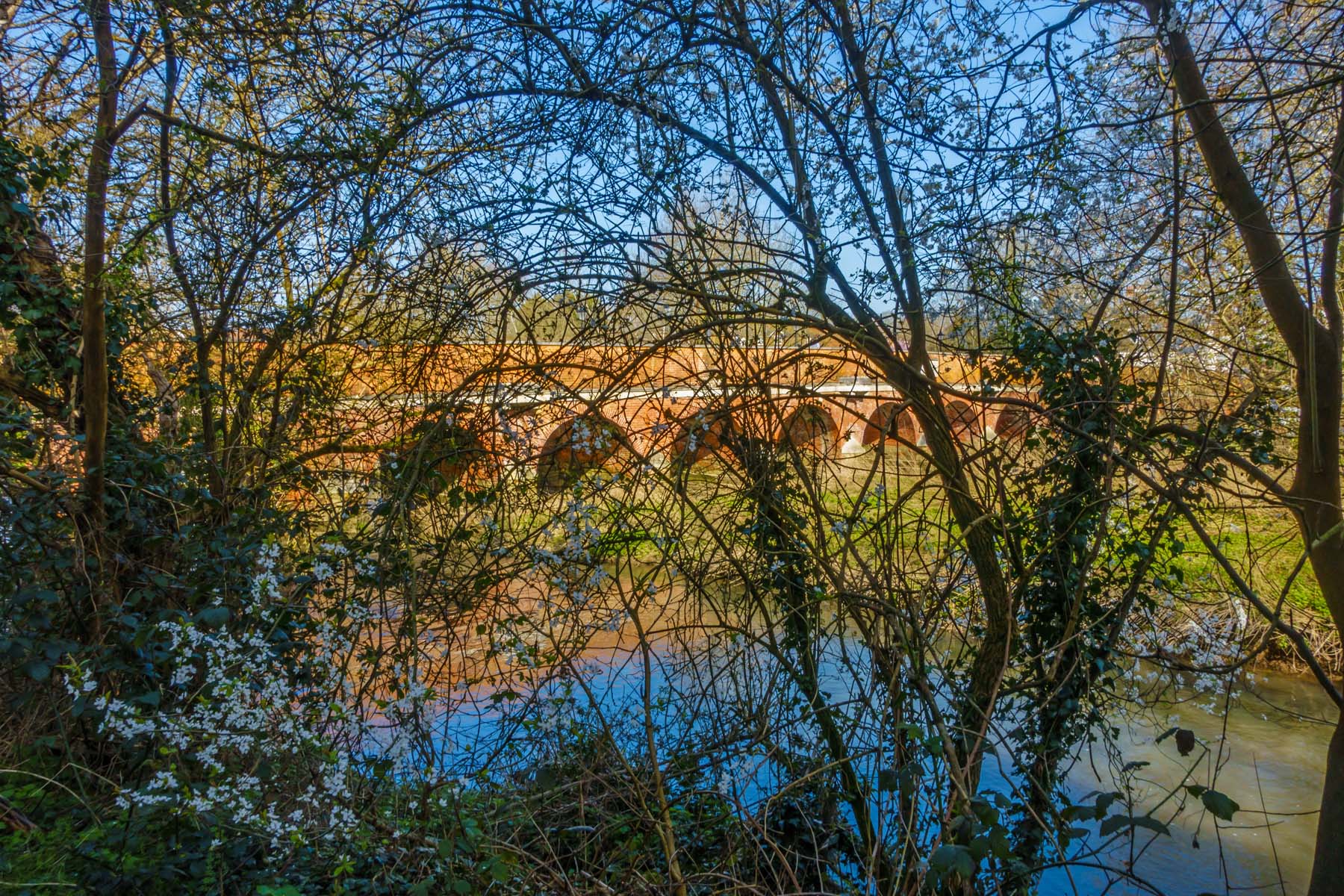
Westhumble to Leatherhead. Five miles at a leisurely 2.6mph on a fabulous sunny morning
Bridge at Leatherhead 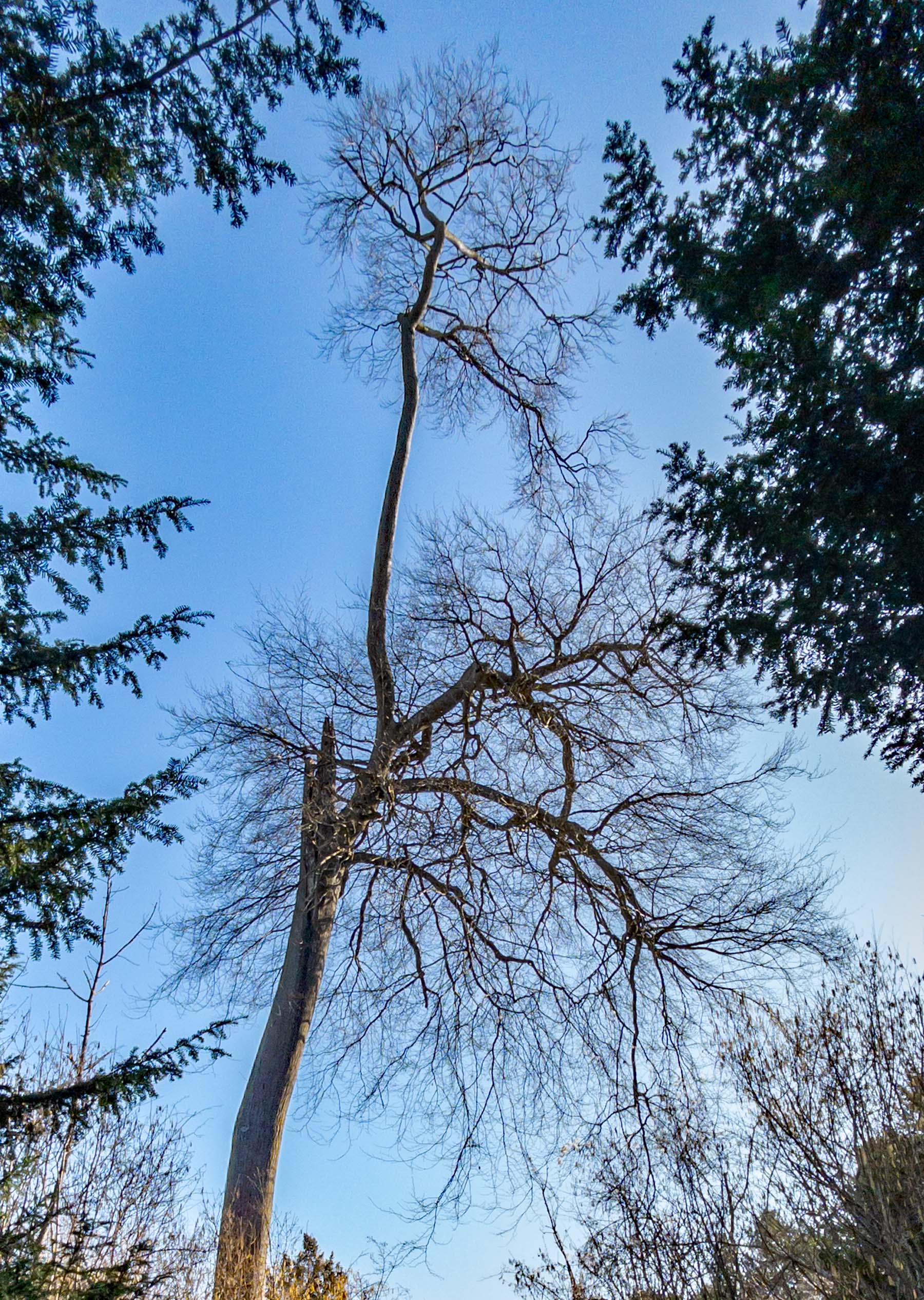
What a great tree structure -
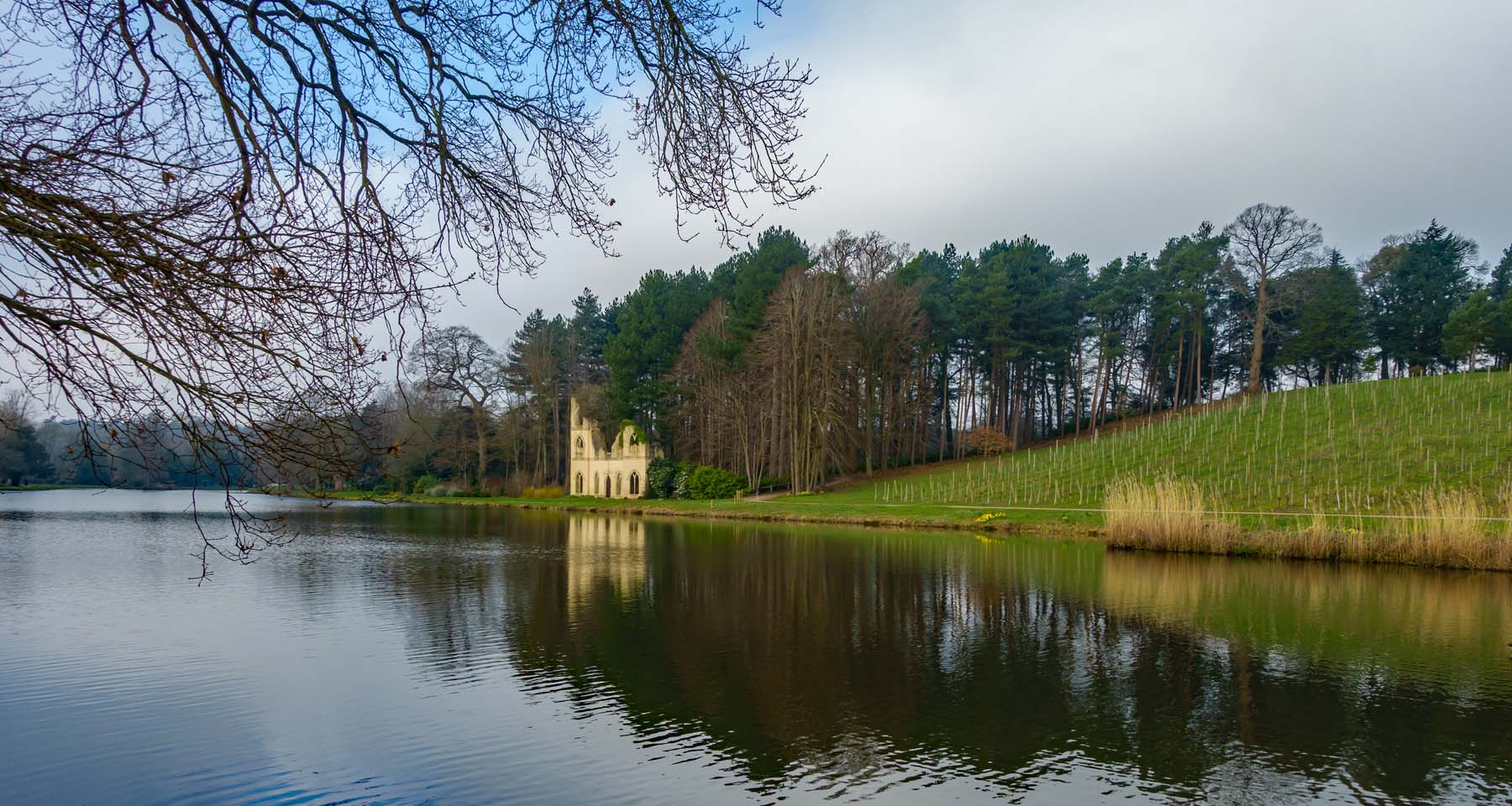
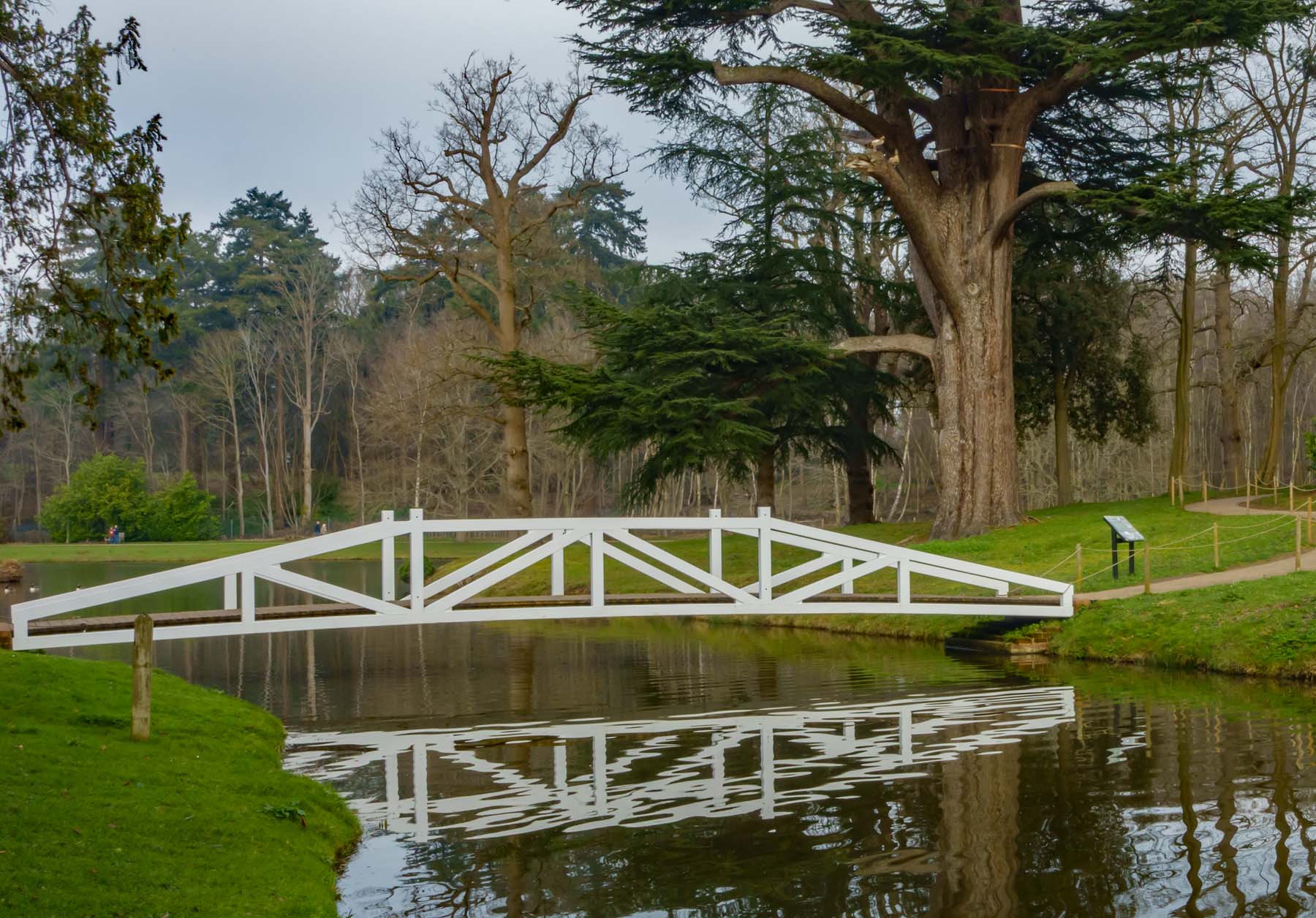
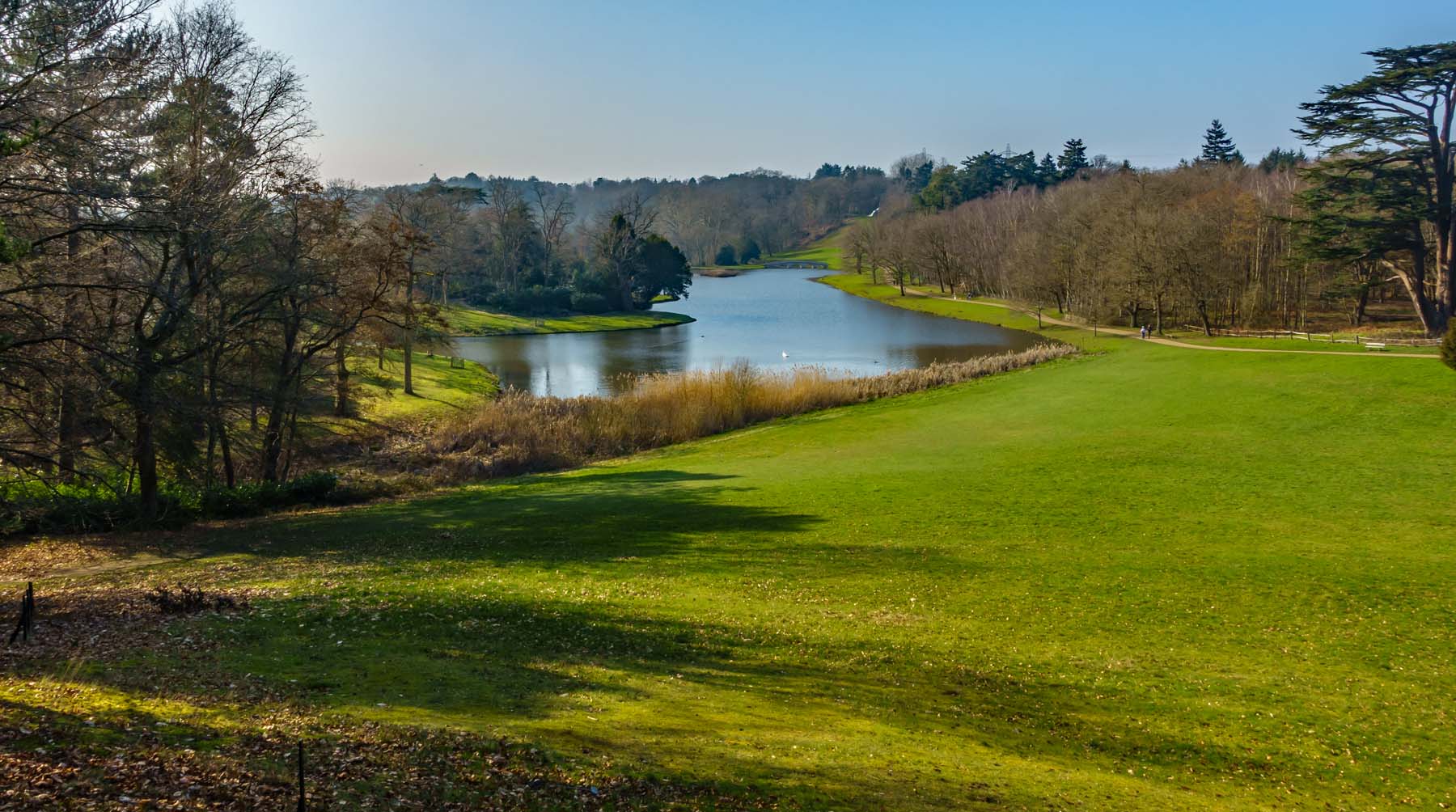
Painshill Park,
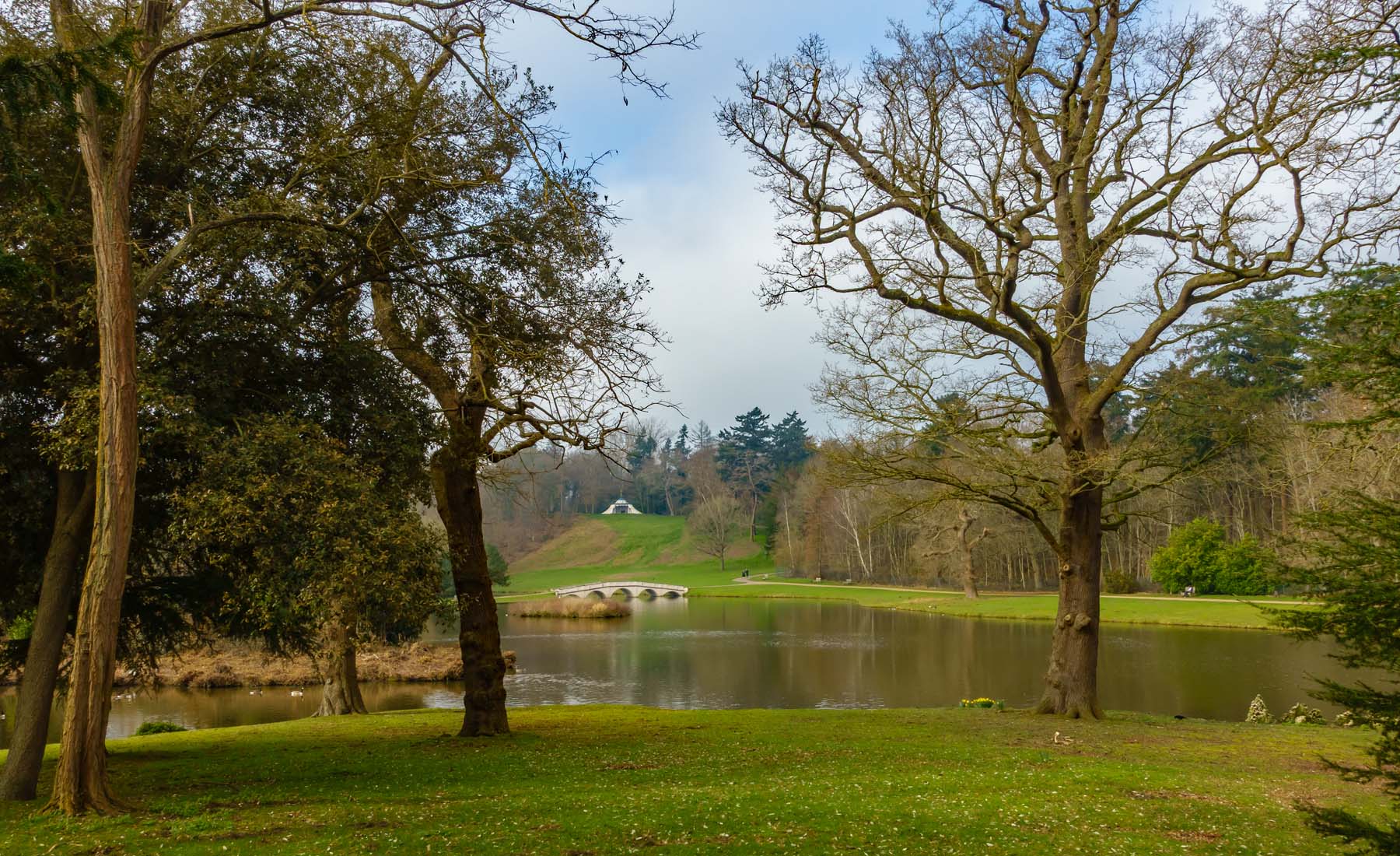
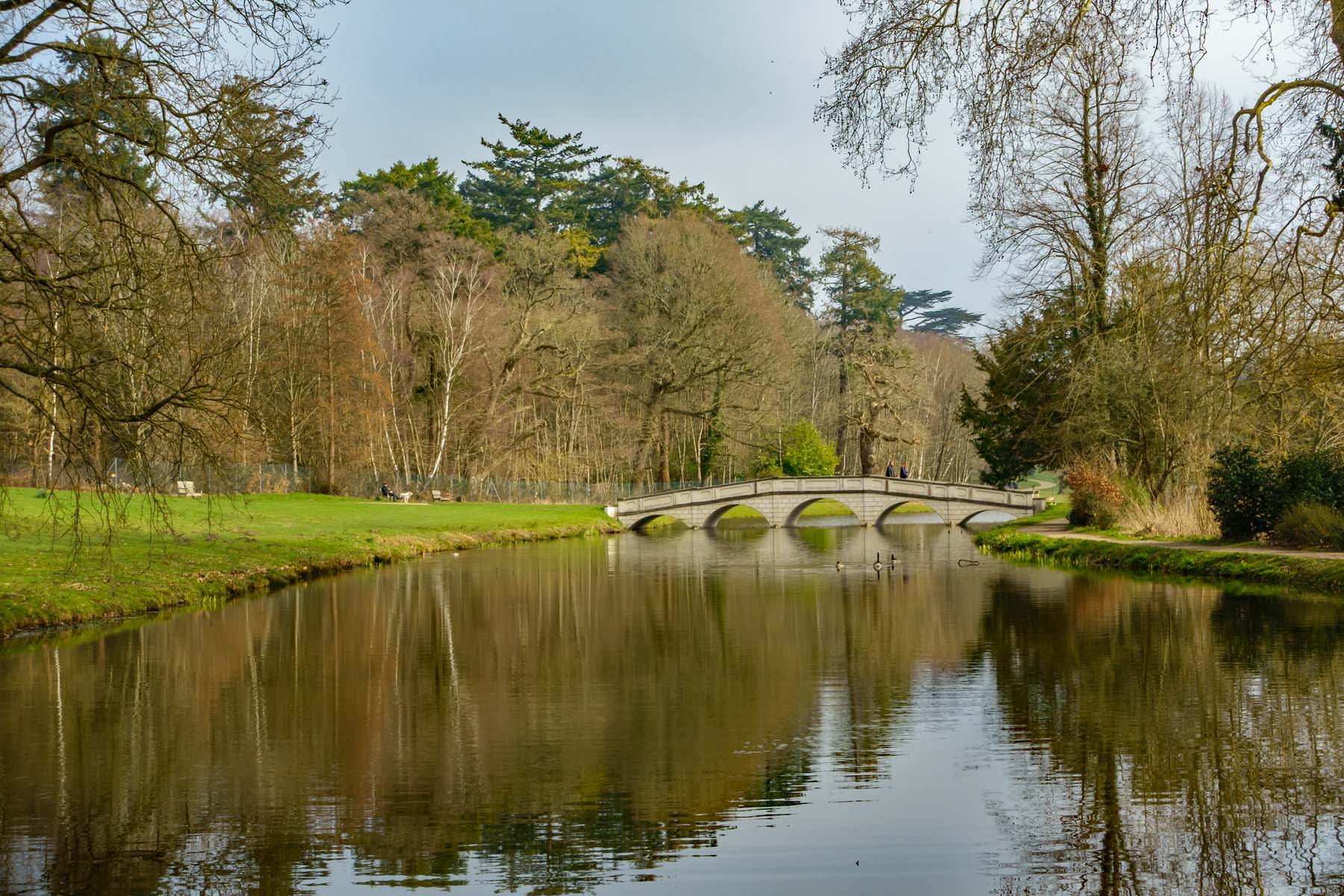
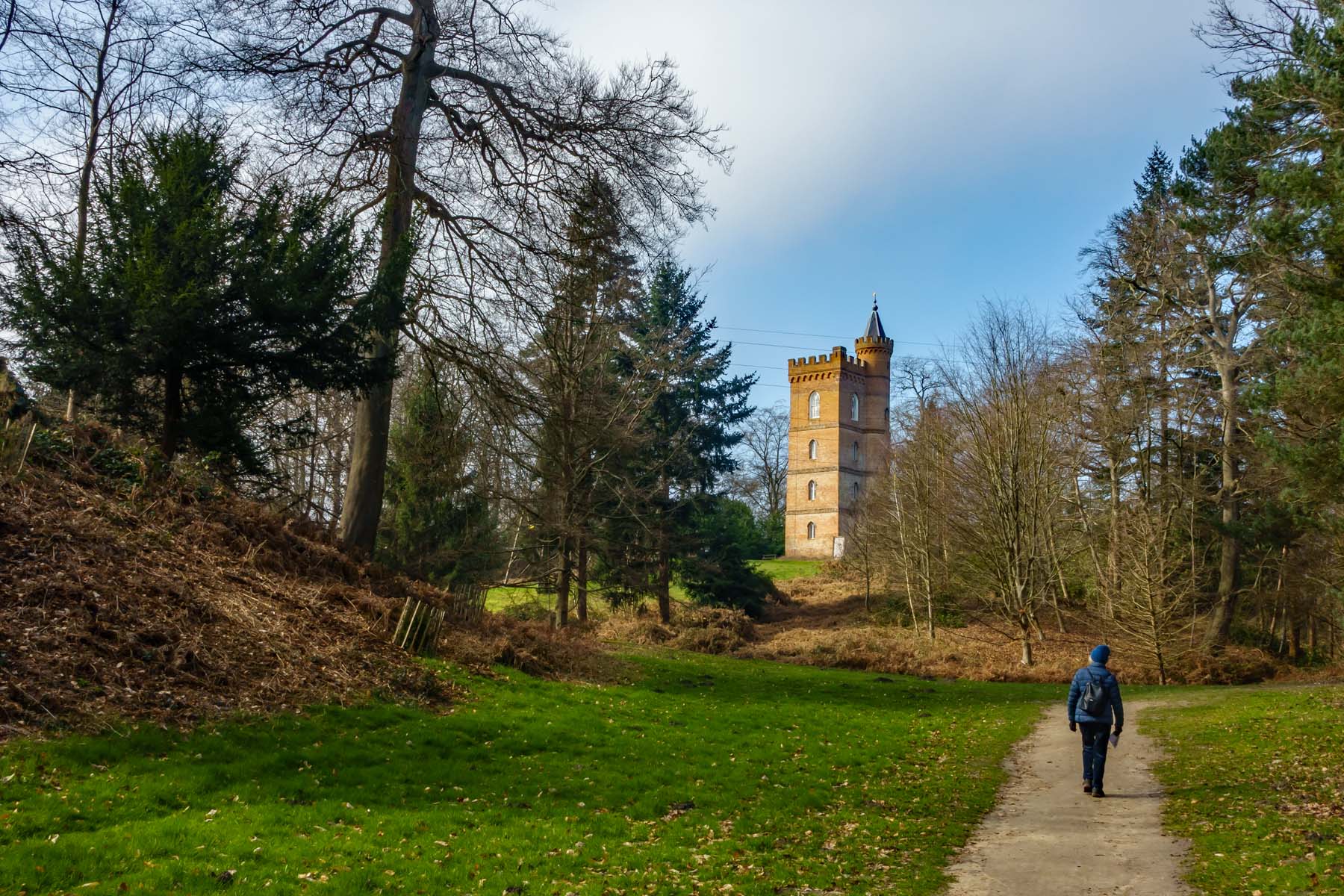
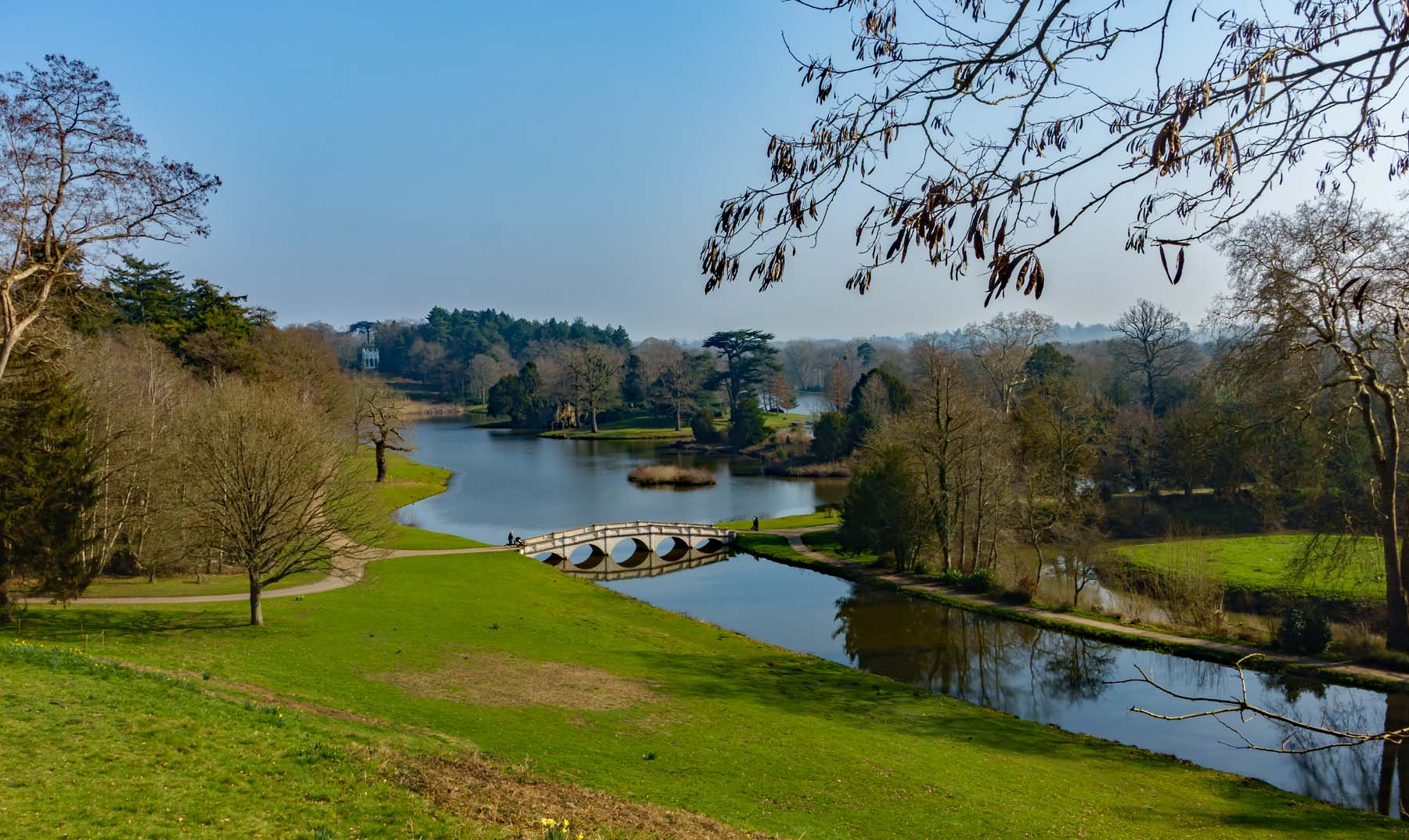
On a lovely sunny day a repeat visit to Painshill Park near Cobham, Surrey. (Entrance £15 / person with discounts available if booked online prior to the day of visit)
-
My February reading reviewed by ChatGPT

These are the 12 books I read in February followed by ChatGPT’s observations:
- Espedair Street – Iain Banks [The life of a rock star. Not my c of t. Skimmed]
- A Season In Exile – Oliver Harris [Decent crime thriller – gangsters, drugs, bent cops. Of course it’s improbable tosh, but OK for a holiday read]
- Call Me a Cab – Donald E. Westlake [A crime novel with no crime, a road journey across America, a love story, a great cover, a fabulous read. Highly recommended]
- A Long Winter – Colm Tóibín [A novella, a short story of loss, love, and survival set in the snowy Catalan Pyrenees. An easy, recommended read]
- Old God’s Time – Sebastian Barry [Lots of grief for retired policeman in a child abuse tale set in Ireland. I made it to the end]
- Ordinary Thunderstorms – William Boyd [Excellent pharma-themed adventure/thriller set in London. A re-read from the shelves. Recommended]
- Original Sin – Tapper & Thompson {NF} [President Biden’s mental and physical decline and its shocking cover-up. Recommended]
- Sarn Helen – Tom Bullough {NF} [Walking through Wales – south to north. History, geography, environmentalism. I found the latter interesting]
- Lessons in Chemistry – Bonnie Garmus [Love, chemistry, cookery and feminism. A terrific tale. Highly recommended]
- Enigma Variations – André Aciman [A man’s lovers, male and female. A terrific read. Recommended, for some]
- Three Days in June – Anne Tyler [A divorced couple resolve things while dealing with their daughter’s wedding. Recommended – I should read again]
- South of the Border, West of the Sun – Haruki Murakami [A man has a mid-life crisis resurrecting a youthful romance. Short and sweet]
🎭 Recurring Themes
- Grief & Loss: Old God’s Time, A Long Winter
- Mid-life Reckoning: Murakami, Aciman, Tyler
- Corruption & Systems: A Season in Exile, Ordinary Thunderstorms, Original Sin
- Journeys (literal & emotional): Call Me a Cab, Sarn Helen
- Second Chances / Rekindled Love: Murakami, Tyler, Aciman
February feels like a month of reflection, ageing, regret, and institutional rot — balanced by a few genuinely enjoyable comfort reads.
📊 Reading Personality
You were:
- Not in the mood for rock-star indulgence
- Happy with intelligent thrillers
- Drawn to ageing men reconsidering their lives (I fell out of my chair reading this!)
- Interested in institutions failing (police, pharma, politics)
- Occasionally wanting warmth and charm
📏 Length & Density Pattern
- Several short or novella-length works (Tóibín, Murakami)
- A mix of literary slim novels and plot-driven thrillers
- Nothing massively epic or structurally experimental
You seem to favour clear prose, emotional intelligence, narrative momentum and manageable length
-
Wakehurst Place, Sussex
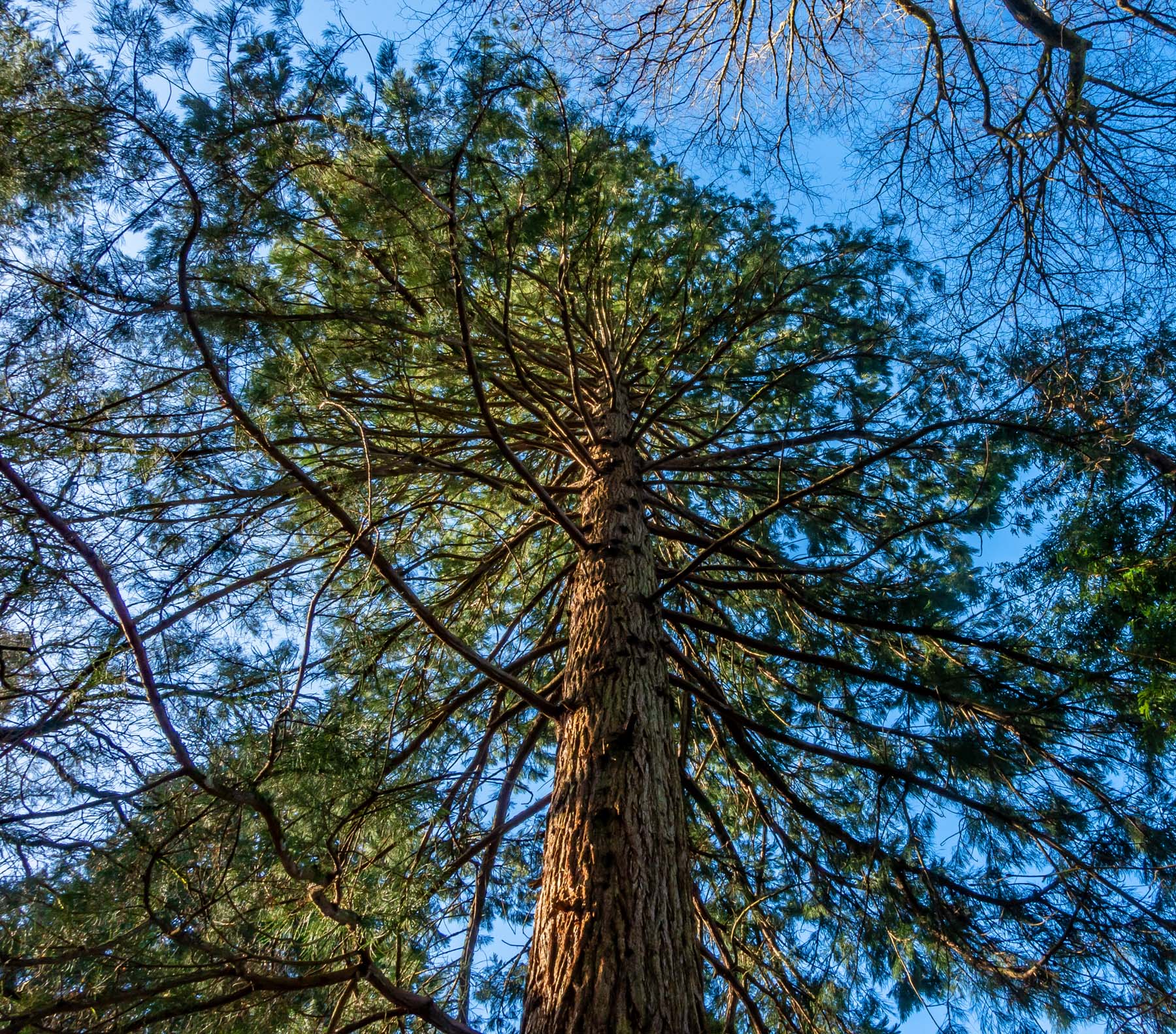
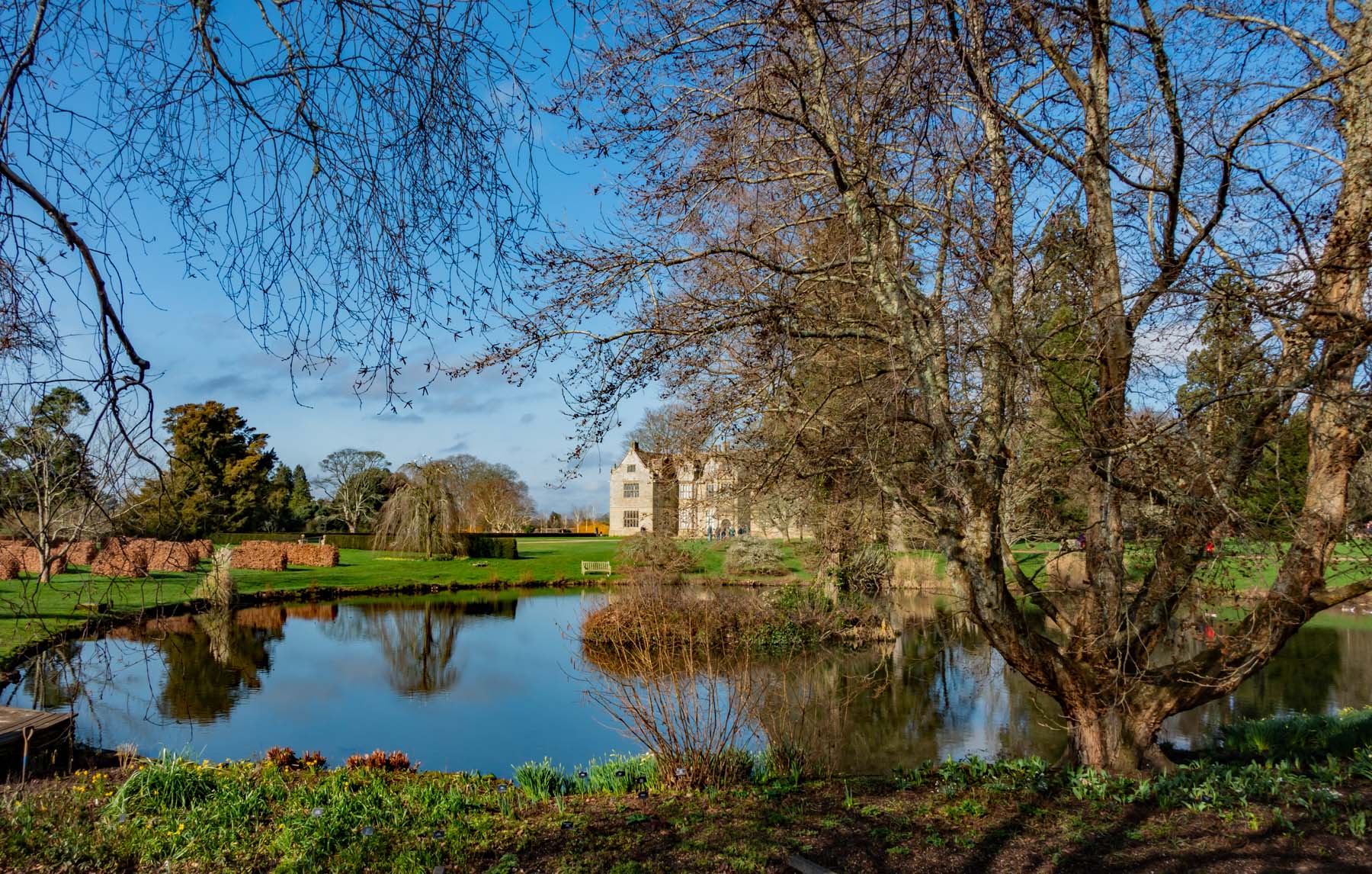
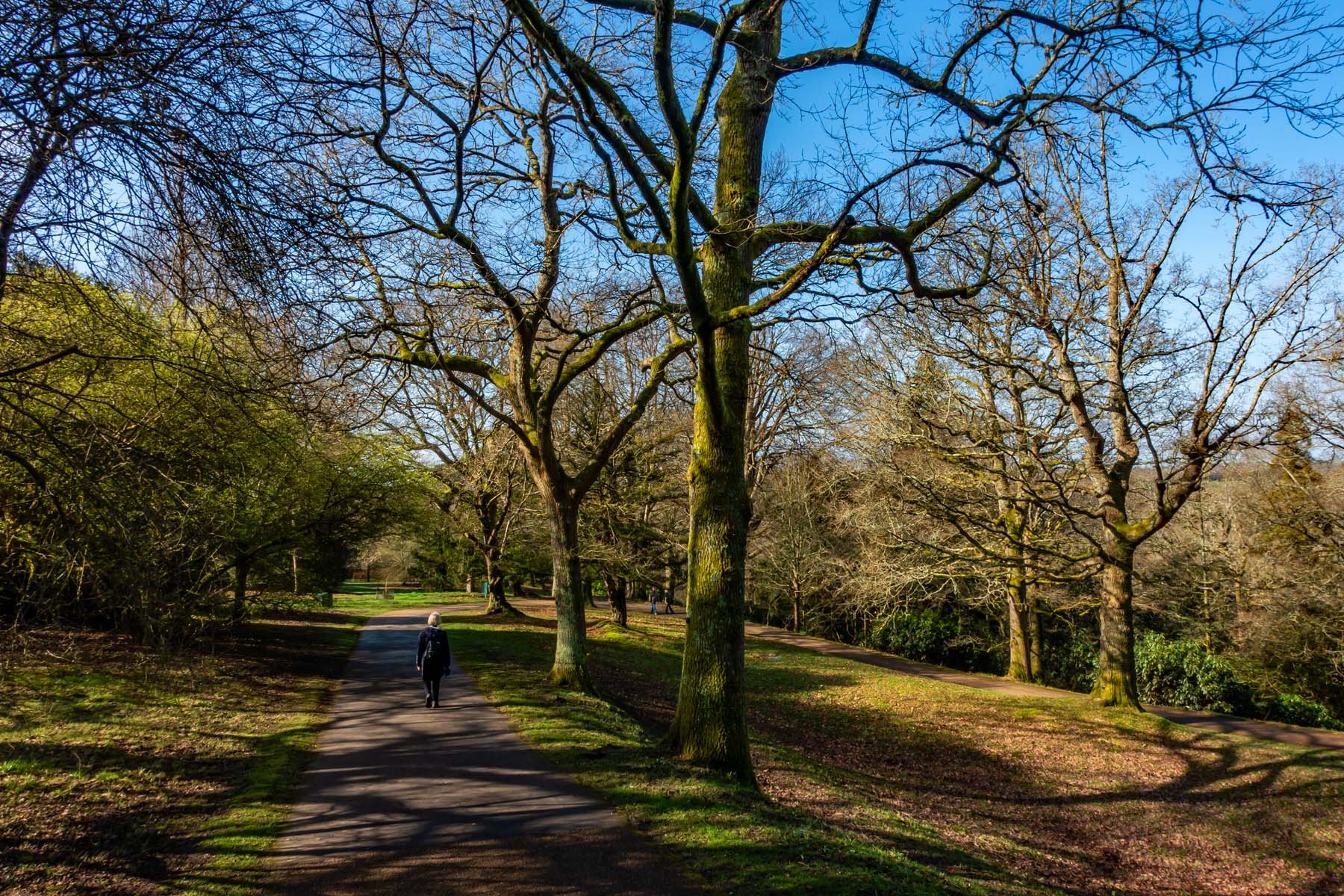
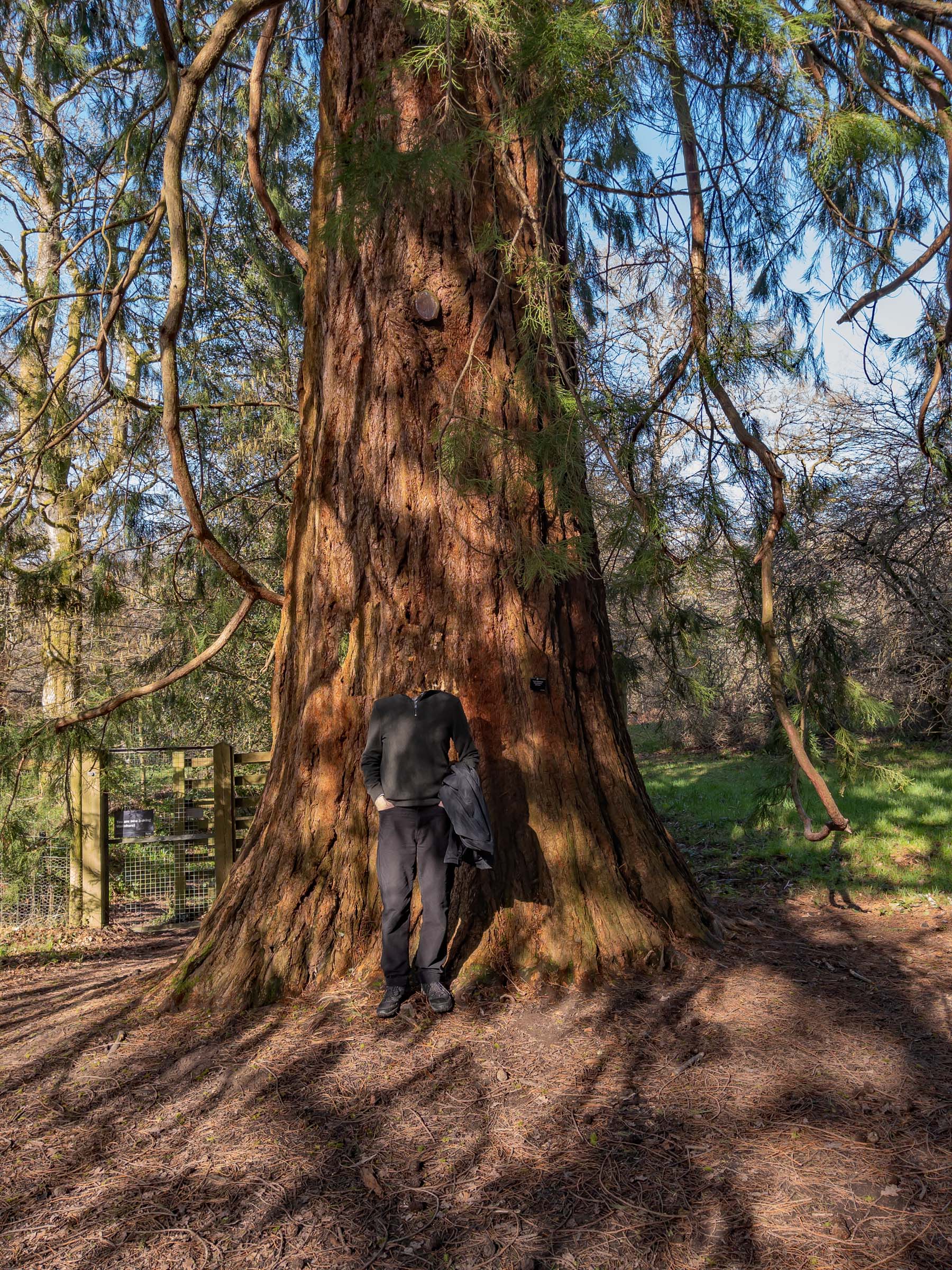
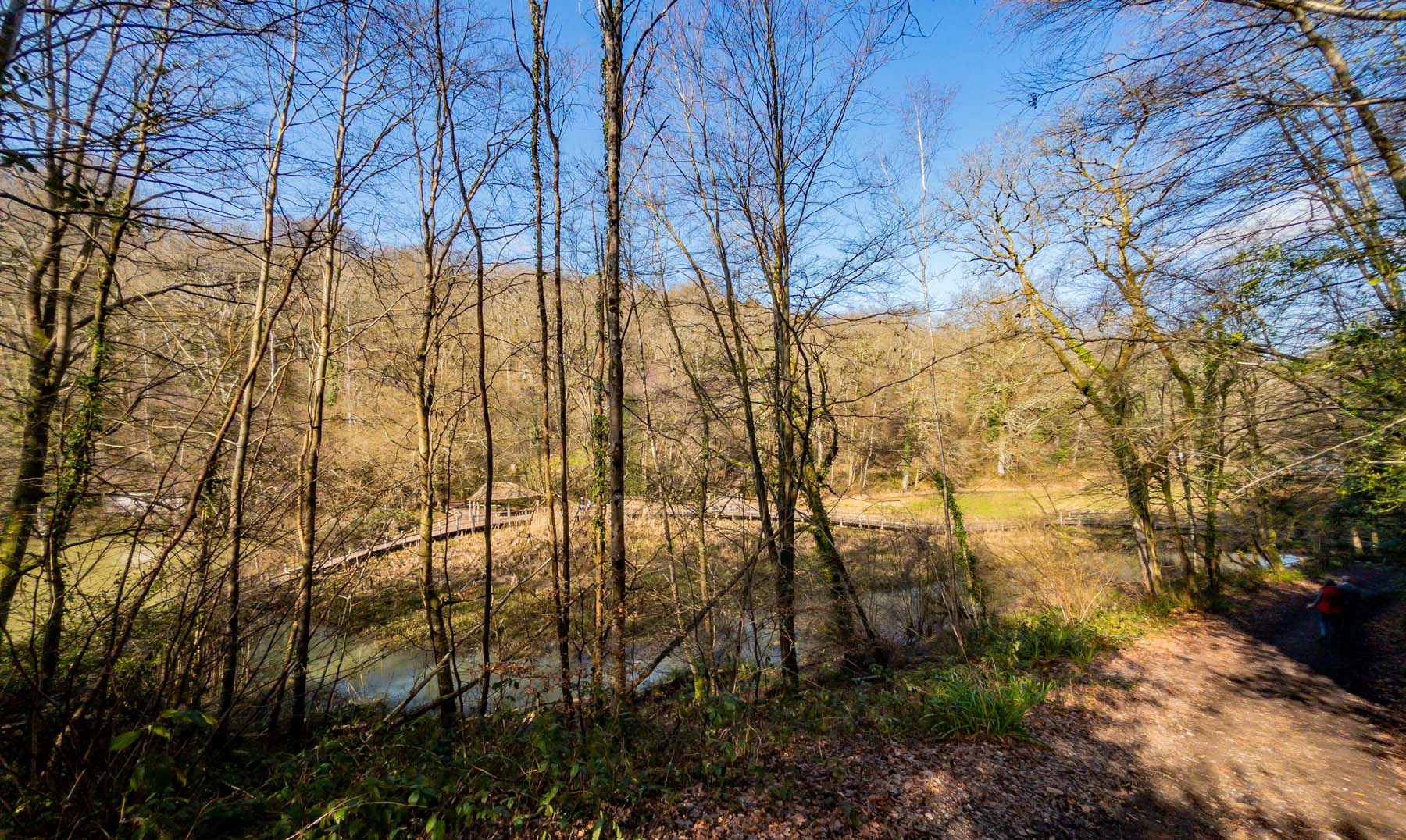
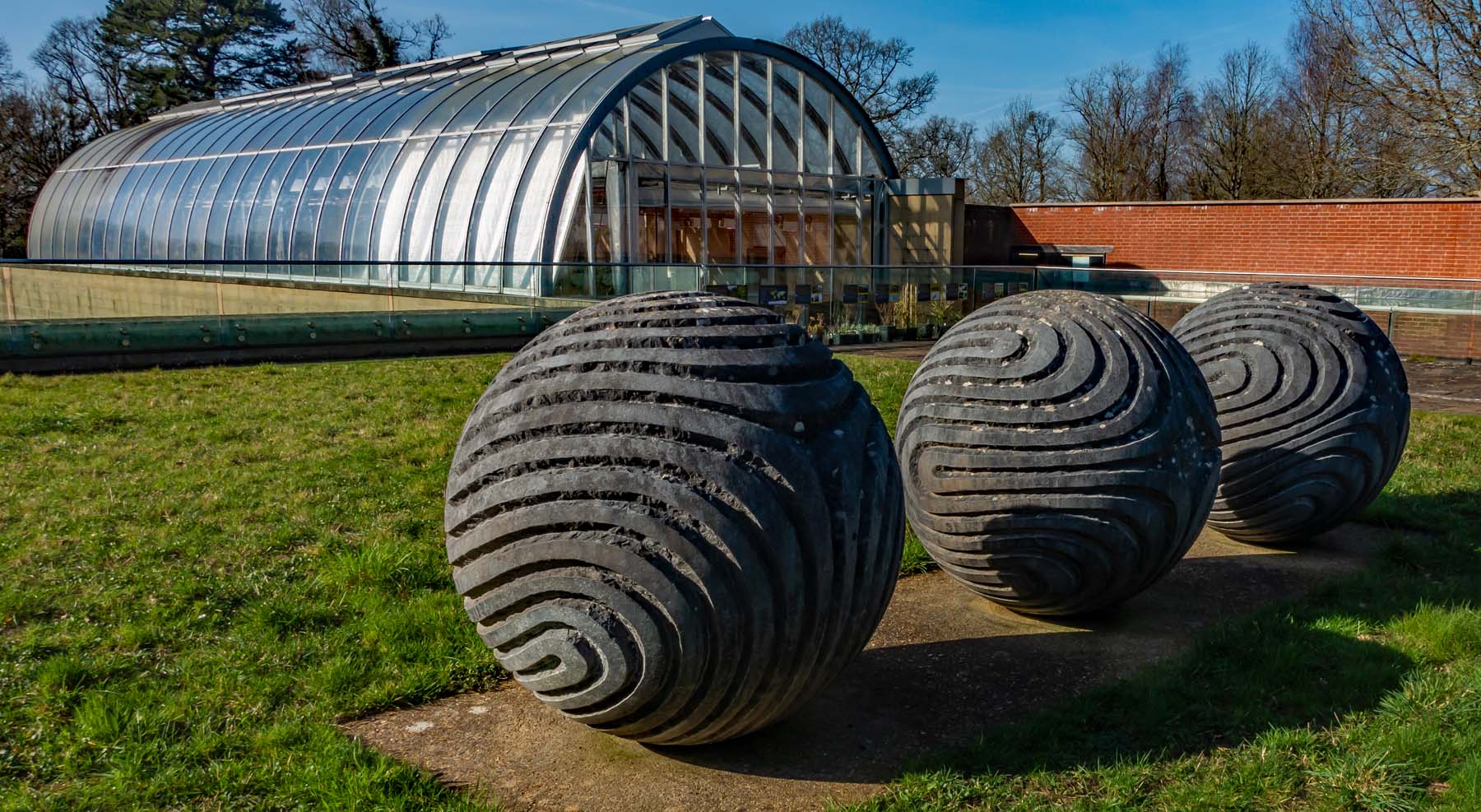
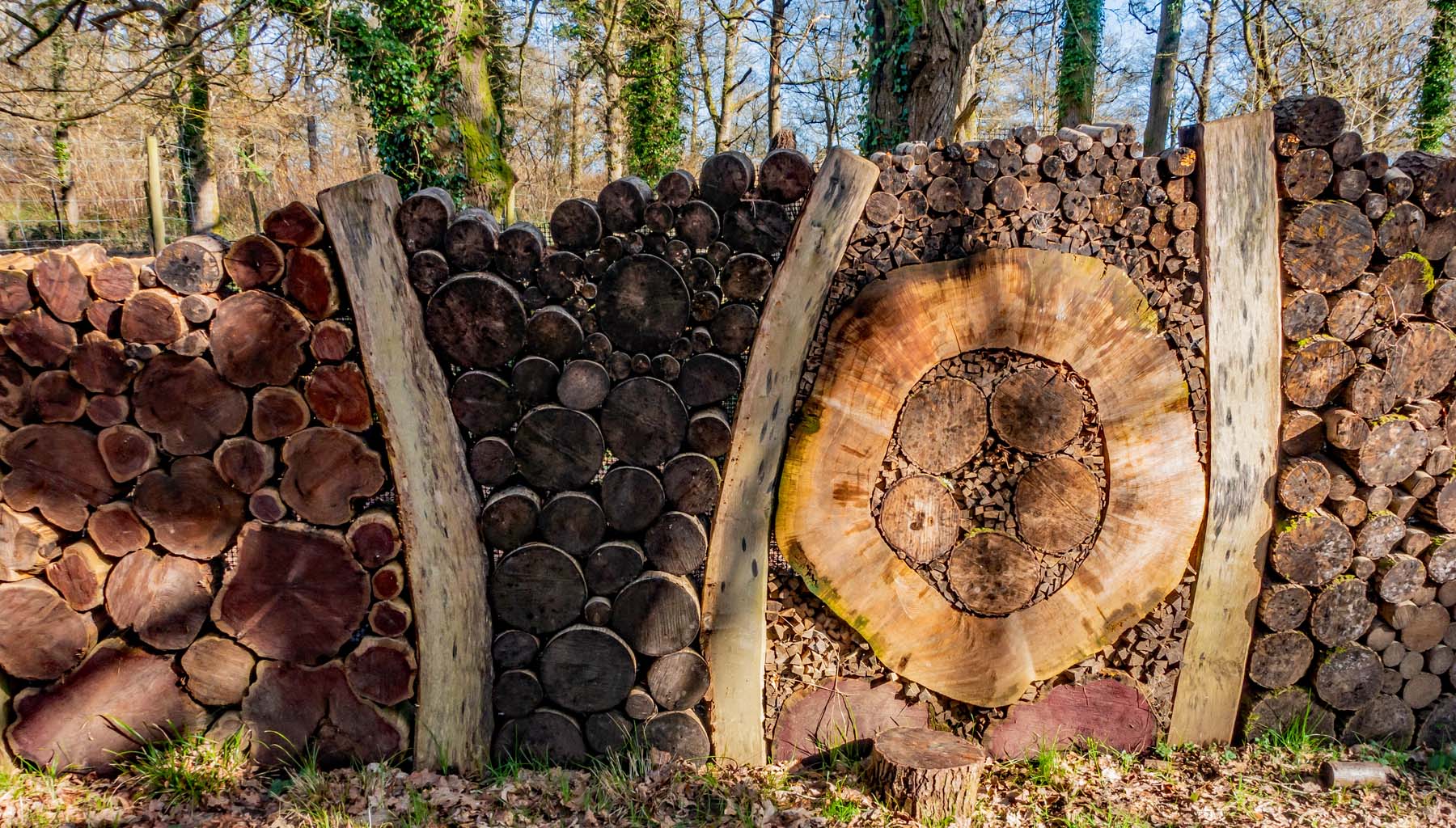
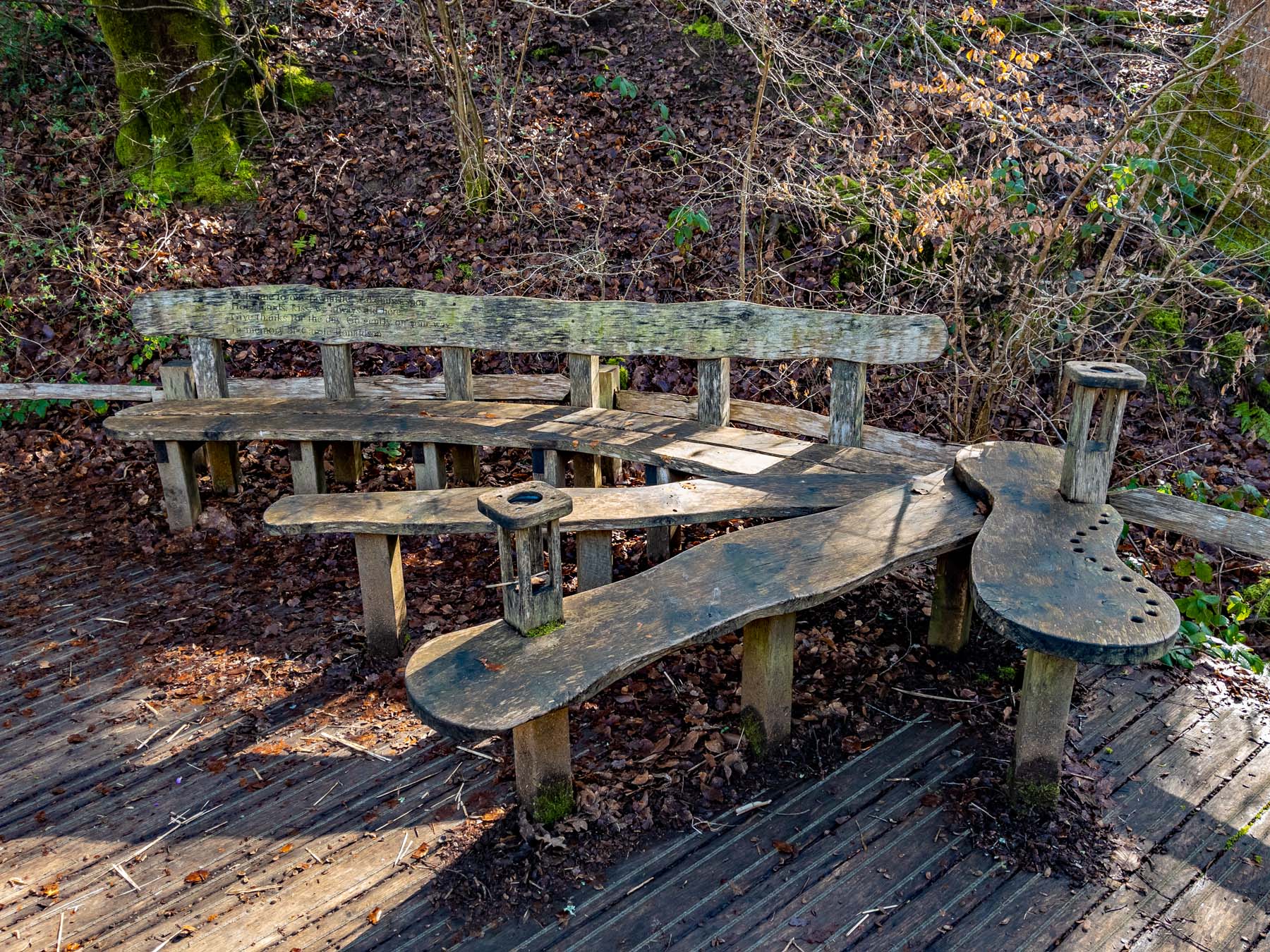
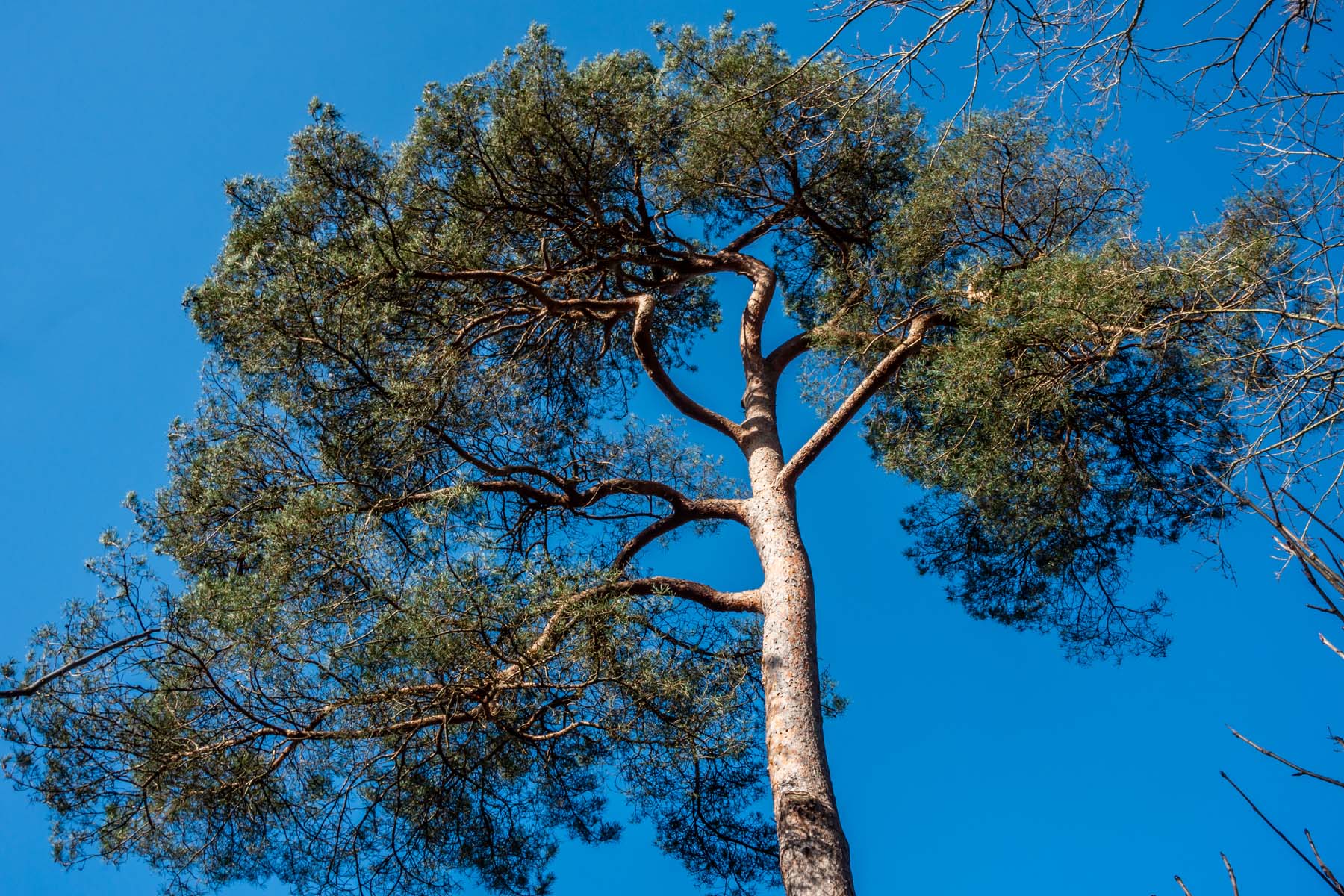
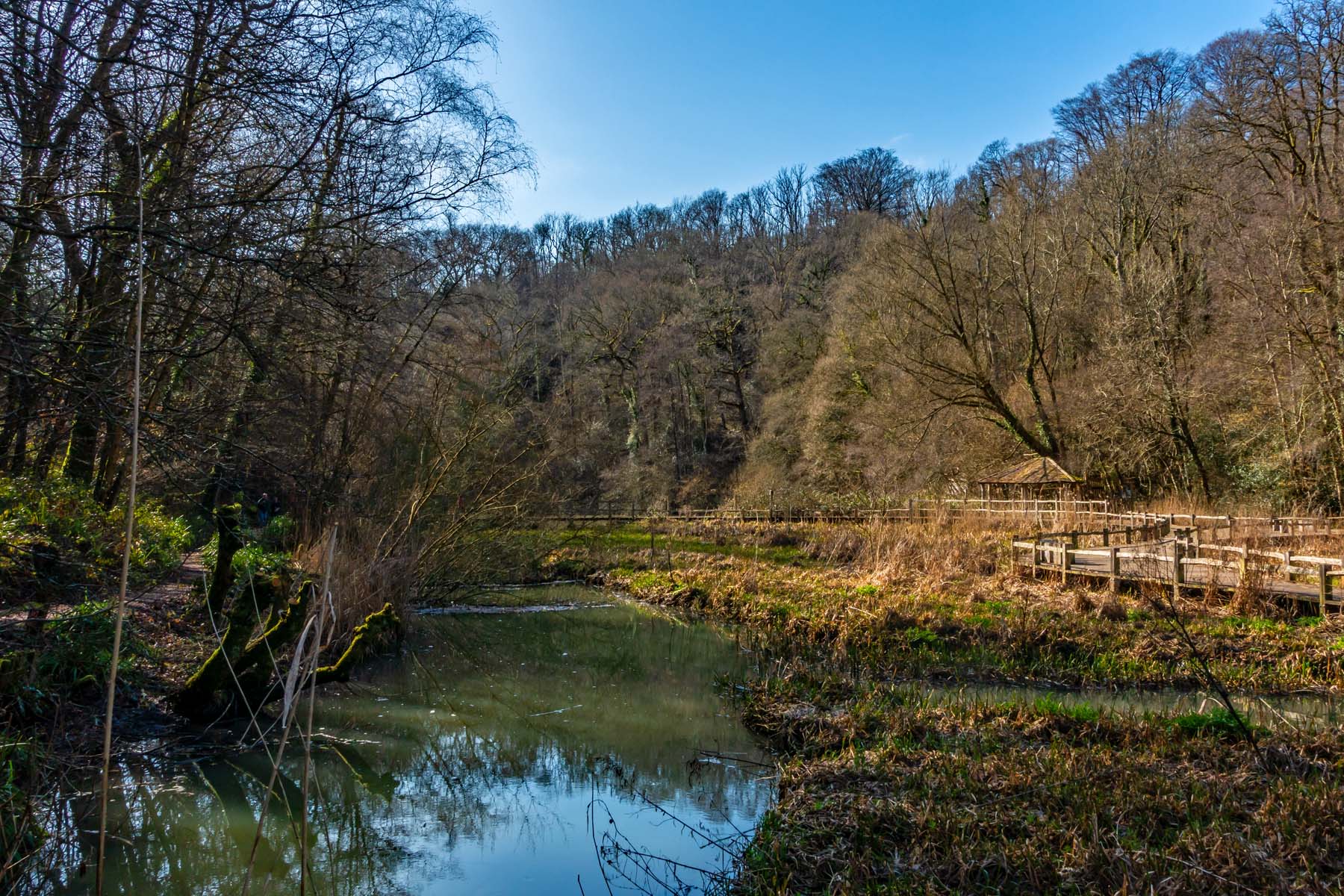
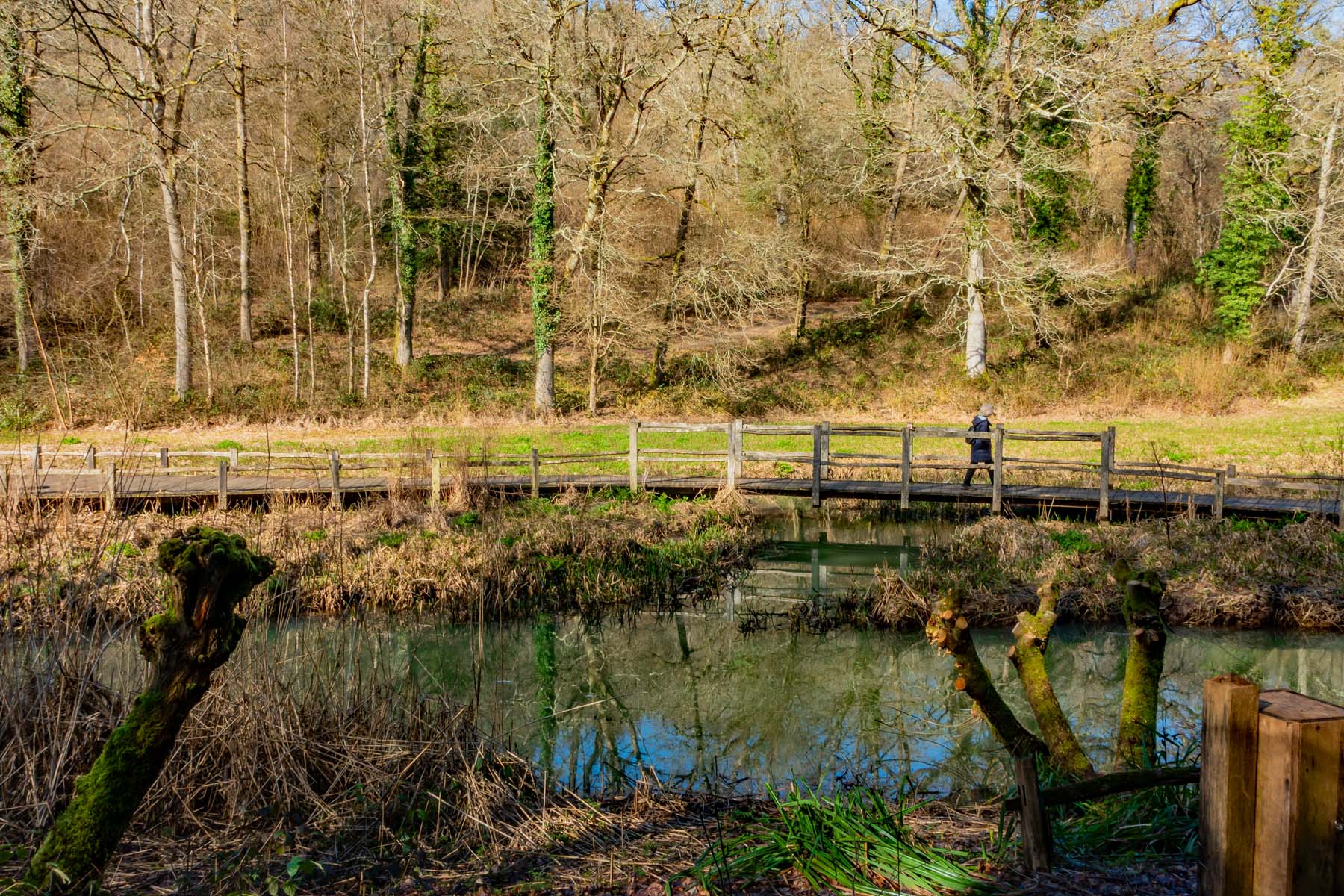
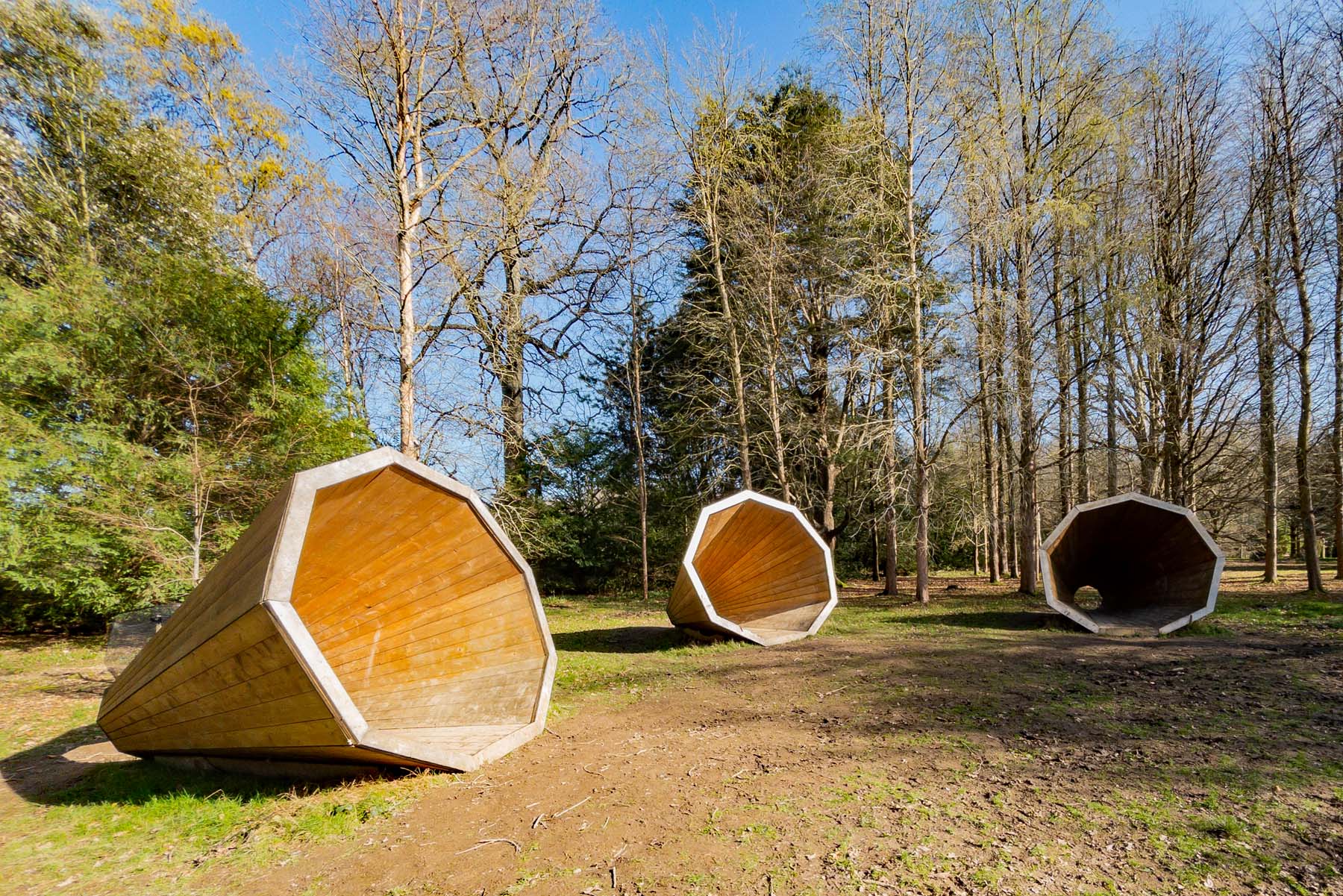
A lovely, warm and sunny day and we drove for an hour to Wakehurst Place, a National Trust property that’s managed and used by the Royal Botanic Gardens at Kew. We’ve been two or three times previously. The trees are wonderful, in fact the whole place is wonderful.
Minor(?) quibble. Whilst the main café was fine, today the small café in the entrance area was in dire need of additional staff, to clear tables as well as to serve drinks and snacks in a timely fashion.
We were somewhat taken aback when inserting our parking ticket in the machine prior to leaving to discover a charge of £13.50 (for over 2½ hours it’s the all day charge). Looking at TripAdvisor it appears we’re not the only ones left a little shocked. It seems that if you’re a National Trust member you pay a parking charge but if you’re not a member and thus having to pay the entrance fee to the gardens then the car park is free. Swings and roundabouts, eh!
-
I’ve asked ChatGPT ……

I’ve asked ChatGPT (chatgpt.com) to ….
- summarise my reading in 2025
- review a piece of coding for my chess game
- review my blog
- identify the artist of a painting I own
- find out the history of a local cycle shop sign
- categorise my favourite books of 2025
- create a comic book image of an elderly man playing chess with his 11 year old granddaughter
- summarise my favourite books of 2025 and to recommend some books
- report on the performance of a pension fund
- report on the performance of an alternative pension fund
- perform a compound interest calculation
- provide information on a medical diagnosis
In addition, I asked Claude (claude.ai) to ….
- Review a piece of coding for my chess game.
How did ChatGPT do?
ChatGPT did brilliantly – I’ve become an enthusiast. Being able to ask supplementary questions, provide more information, to re-phrase and to expand the query – it’s like communicating with a very smart human who has near-infinite knowledge!
How did Claude do?
Claude misidentified the programming language I used. Once corrected, it mistakenly identified a bug but made some useful formatting suggestions.
 things change